Journalism is my life. I've been at it since the 1970s, starting in news and developing specialties in covering automobiles and motorsport. I hold more than 50 journalism awards for work in both newspapers and magazines. I have developed a global audience during my career.
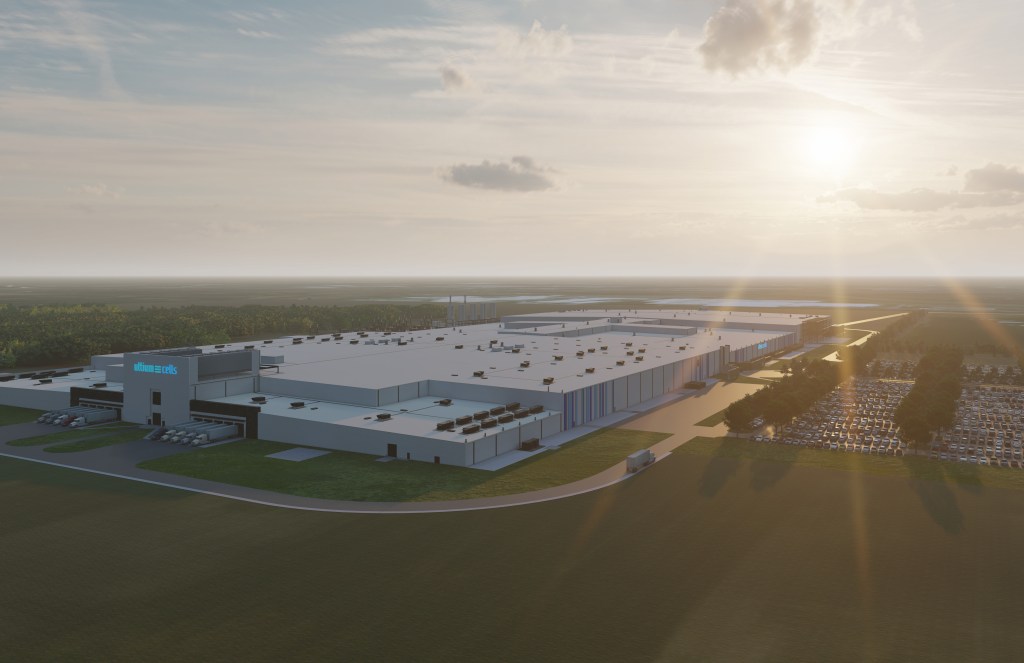
General Motors has announced yet another major investment in the production of alternate-fuel vehicles. The corporation this week declared its intention to invest up to $7 billion through 2025 at four Michigan locations being converted to full EV-related production capability. The GM proposal represents the largest single investment in GM history. The artist’s rendering depicts a new Ultium cells battery plant in the historic GM city of Lansing, Michigan, one of three such facilities that GM intends to establish with technology partner LG Energy Solution.
The Lansing facility will support a major changeover at another GM site, its existing vehicle-assembly plant in Orion Township, Michigan, which will be converted to produce full-size, fully electric Chevrolet Silverado and GMC Sierra pickups, making it GM’s second plant devoted exclusive to these EV trucks. The project is expected to create some 4,000 new jobs, and will give GM the capacity to build an estimated 1 million EVs annually by 2025.
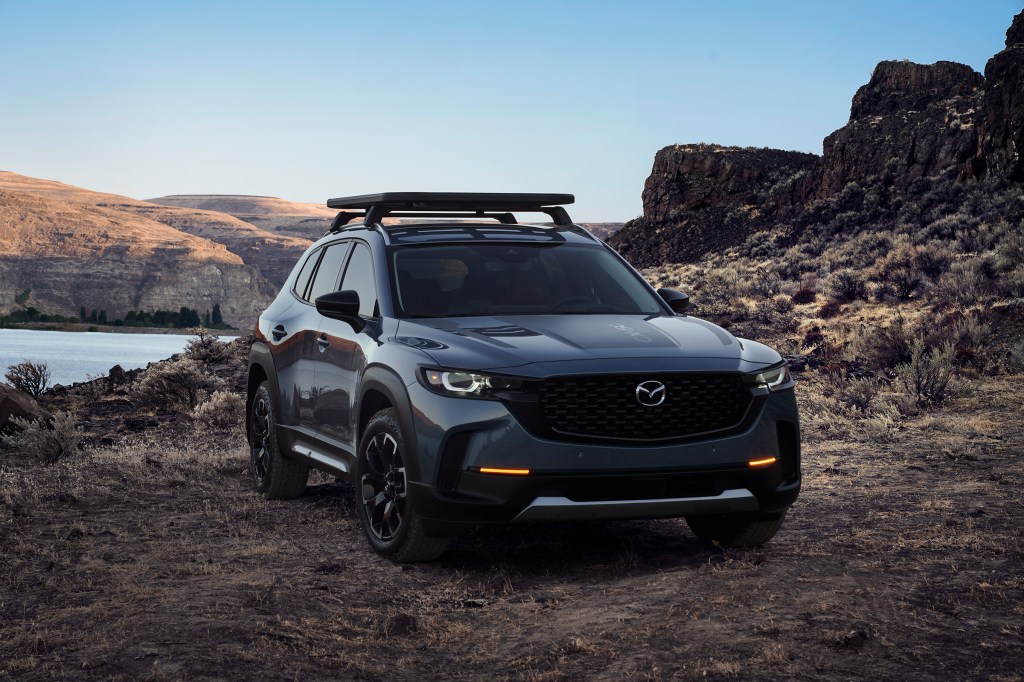
Mazda, the scrappy little Japanese automaker, turned a page in its history this morning when the first 2023 Mazda CX-50 crossover rolled off the Discovery assembly line at Mazda Toyota Manufacturing, the plant that both manufacturers opened outside Huntsville, Alabama, in September 2021. Still to appear at its official reveal, the CX-50 is a driver-focused SUV, offering Mazda’s first panoramic moonroof, and while petroleum powered today, it’s adaptable to future hybrid and EV powertrains.
MTM, as the joint venture is known, represents a $2.3 billion partnership between Mazda and Toyota. When at full capacity, MTM will employ up to 4,000 workers and have an annual production capacity of 300,000 vehicles, set to be evenly divvied up between Mazda and Toyota products.
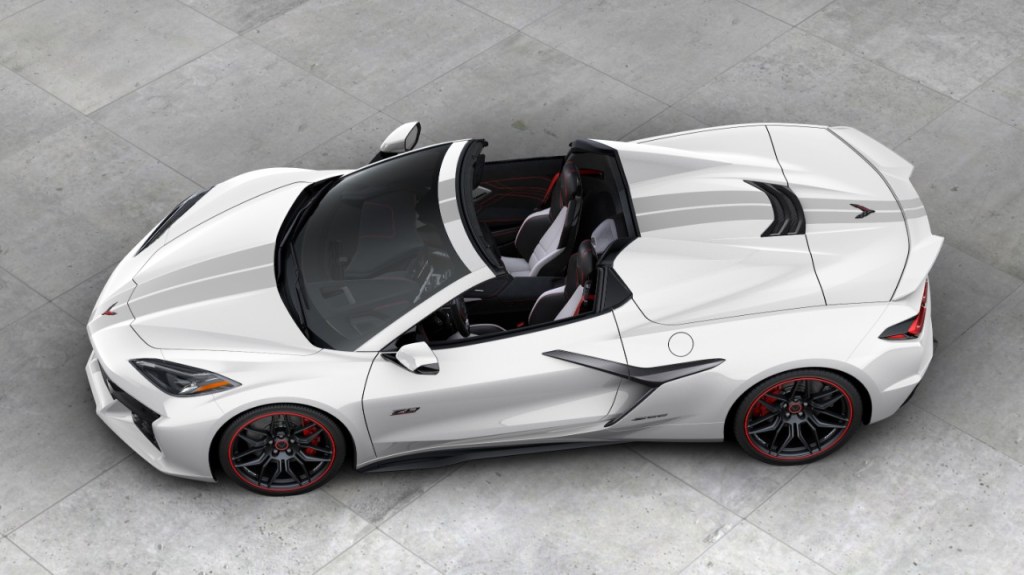
Wanna feel old all of a sudden? First, contemplate the sad recent exit of the person I once publicly called The Male Ethel Merman, better known as Meat Loaf. Next, consider the fact that you have vivid memories of wringing out the 40th anniversary edition of the Corvette – at Road America, no less – just as Chevrolet announces that its stellar lineup of eighth-generation, mid-engine Corvettes is about to add a special edition to commemorate the iconic sports car’s 70th anniversary. The hard part is not knowing fully where all the time went.
The special 70th Anniversary Edition package will be extended optionally to both the base Corvette Stingray and the full-everything Corvette Z06. Besides the White Pearl Metallic Tri-Coat you see here, 70th Anniversary cars will also be offered in another unique color, Carbon Flash Metallic. The package starts with specific wheels that have distinctive center caps, with Edge Red striping that matches the model’s brake calipers. Logos will be applied to the seats, steering wheel and sill plates, with the package also incorporating a custom, logo-stitched luggage set. The birthday cake will pop later this year when production commences on 2023-year Corvettes.
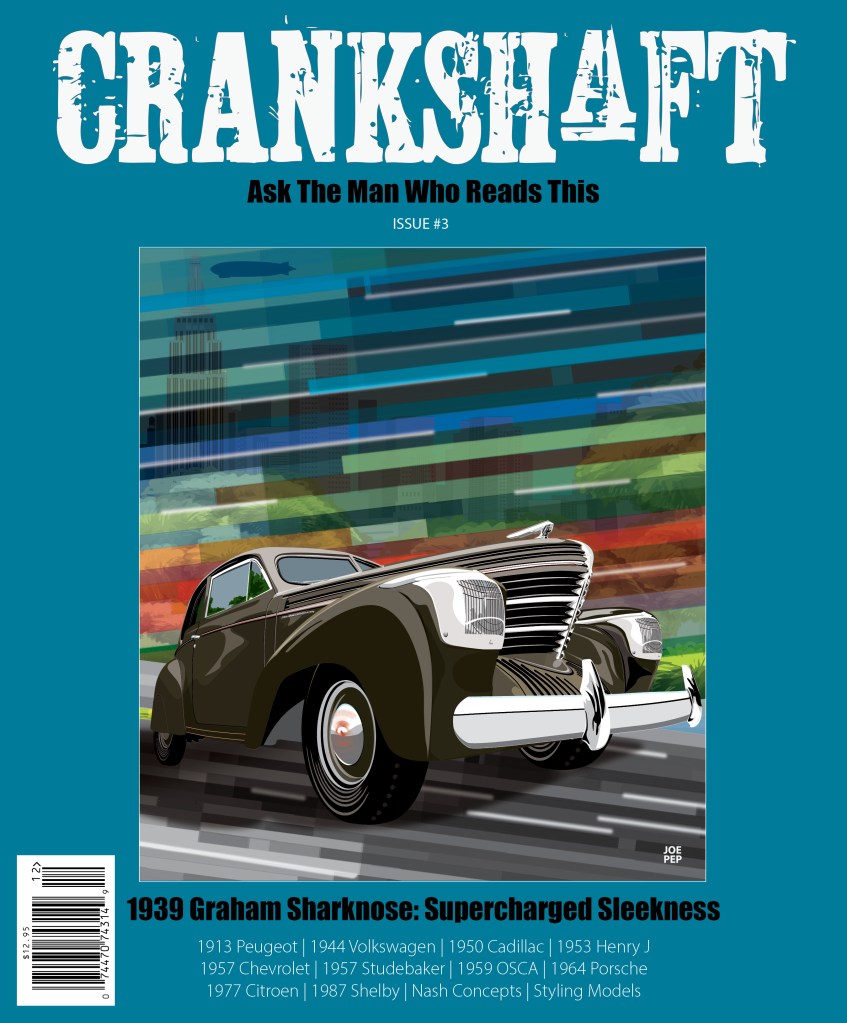
About a year ago, I was assigned to create a history of a murderously unforgiving race track from the long-ago past, Langhorne Speedway, for a new quarterly publication on automotive history, Crankshaft. The assignment was important to me, given that Langhorne is the first place I personally watched a racing vehicle driven in anger, and I approached it with determination. Last week, that story, “Left Turn to Destiny,” was awarded first place in Feature writing by the Eastern Motorsport Press Association.
Like the cover blurb suggests, ask the man – or woman – who reads Crankshaft. It’s a premium-quality, high-page-count, quarterly journal that examines the history of both road and competition cars in unparalleled depth. This is a publication on automotive heritage that assigns racing cars equal weight. You’ll find detailed analyses of cars in its pages that most other magazines tend to miss. Issue number three, now shipping to readers, looks at diversity from an O.S.C.A. to a 1977 Citroen, with an early Peugeot, one of motoring history’s most technologically influential cars, also on the list. We’re serious about what we do. Visit the Crankshaft website and learn for yourself.
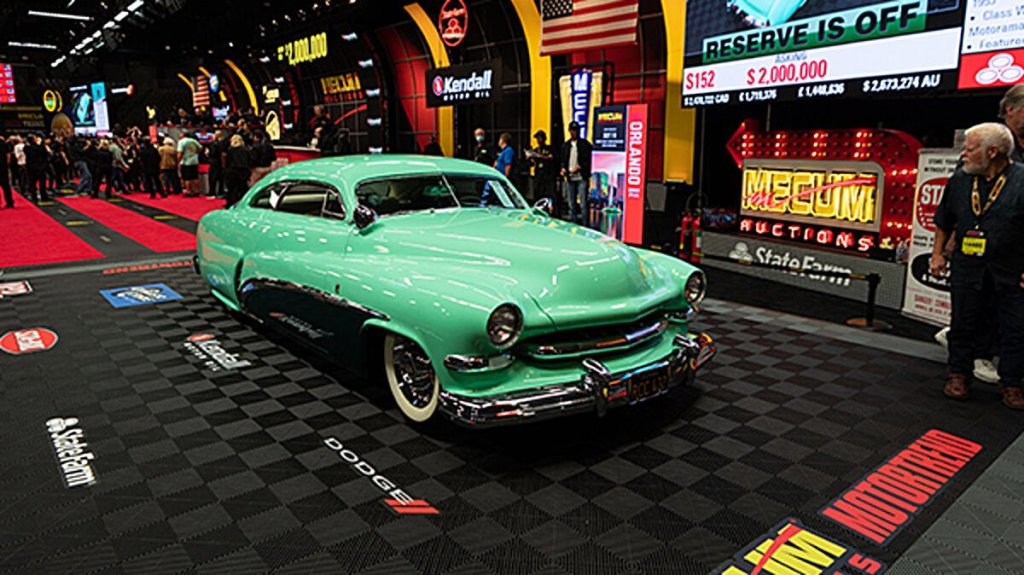
By every measure, Mecum had a record-shattering experience at its just-concluded winter auction blowout down the road in Kissimmee, Florida. The 11-day sale broke dollar records each day it was conducted, and when the final hammer dropped, Mecum had rung up $217 million in total sales, a world record for a single auction event involving historic vehicles, representing a sell-through rate of a stunning 90 percent, another Mecum record. Full disclosure, I’ve been known to write for Mecum every so often. Yet another Mecum record was the 2,974 vehicles that crossed the block in Florida – plus another $2.66 million worth of road art.
The biggest sale was the Shelby G.T.350R prototype once personally driven by the great Ken Miles of Ford v Ferrari fame, which commanded $3.75 million. This, however, was our fave: The most acclaimed fully customized car ever created. The Hirohata Mercury, as it’s been forever known, was a new 1951 model when the Barris brothers, George and Sam, wielded their torches and lead paddles to craft the chopped, pillarless hardtop that you see here. This landmark element of automotive styling history rang up a total of $2.15 million.
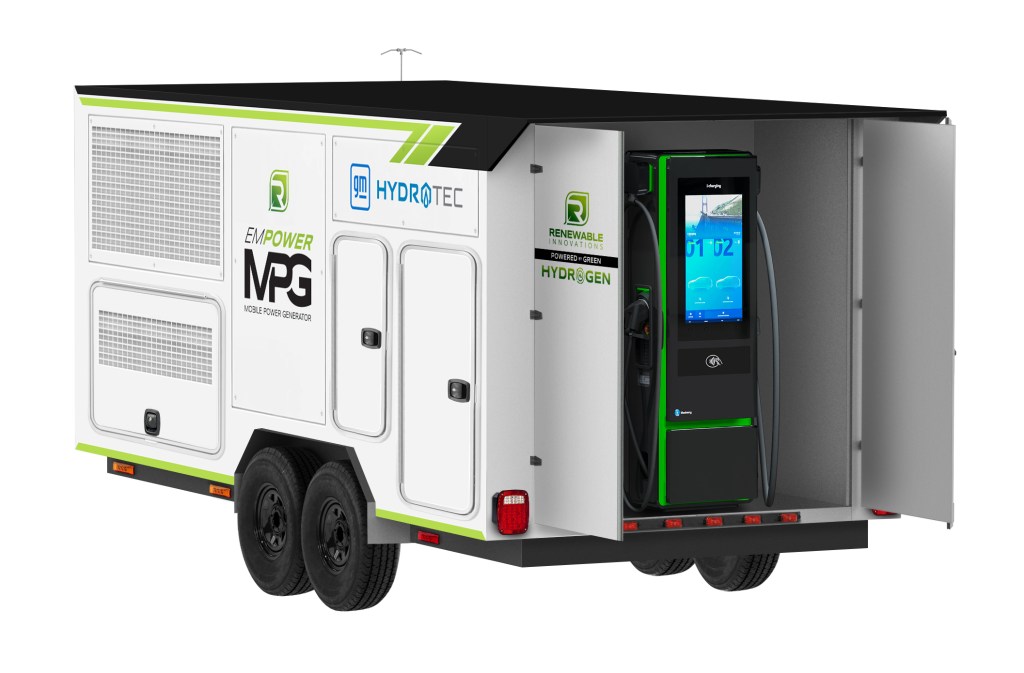
General Motors may not be the world’s biggest automaker anymore but it still commands a footprint that casts a long shadow over the worlds of business and transportation. Today, GM is planning on adapting hydrogen fuel-cell technology to everything from heavy highway trucks to railroad locomotives, plus, obviously, passenger vehicles. The gradual pivot toward electric propulsion is going to create a whole universe of new infrastructure opportunities, and GM is poised to get a significant piece of this market, as well.
Appropriately decorated in enviro-happy shades of green, this is one of GM’s coming electric solutions. This is one of GM’s planned portable generators that it plans to create using its Generation 2 HYDROTEC fuel cell power cubes. This trailer could be towed just about anywhere to act as a portable charging station for EVs in remote areas where a network of soon-to-be-conventional EV charging stations doesn’t yet exist. One obvious potential customer for these Mobile Power Generators, or simply MPGs, is the U.S. military for both stateside and overseas operations. Another is any number of fuel stations or convenience stores looking for a stopgap way to reload EVs until they have a permanent charging infrastructure in place. All such MPGs will have fast-charging capability and could help replace some of the millions of conventional stationary generators now in existence, fueled by gasoline or diesel.
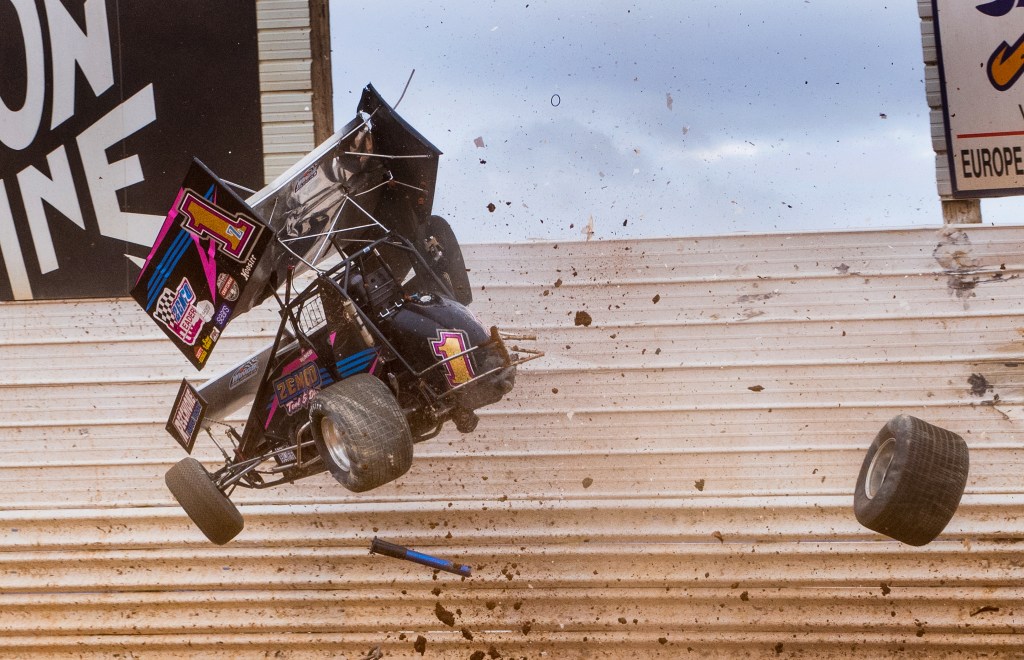
A photograph by Jack Kromer means two things: There’s somehow a connection to Sprint car racing, and regardless of the image, it’s going to erupt off the printed page or computer screen and send you sprawling. That’s the power of the images Jack shoots, the end result of a journey that started with him taking snaps from the stands at his hometown Nazareth Raceway in Pennsylvania, involved life-threatening injuries while shooting a race at Flemington Fair Speedway in New Jersey, and countless riveting images that have adorned magazine covers for decades. In keeping with full disclosure, Jack and I worked extensively as a team for Open Wheel magazine, going back to the 1980s. His photography illuminated my stories well beyond what I’d originally written. Jack’s body of work is magnificent, befitting last week’s announcement that’s he’s being enshrined in the National Sprint Car Hall of Fame in Knoxville, Iowa.
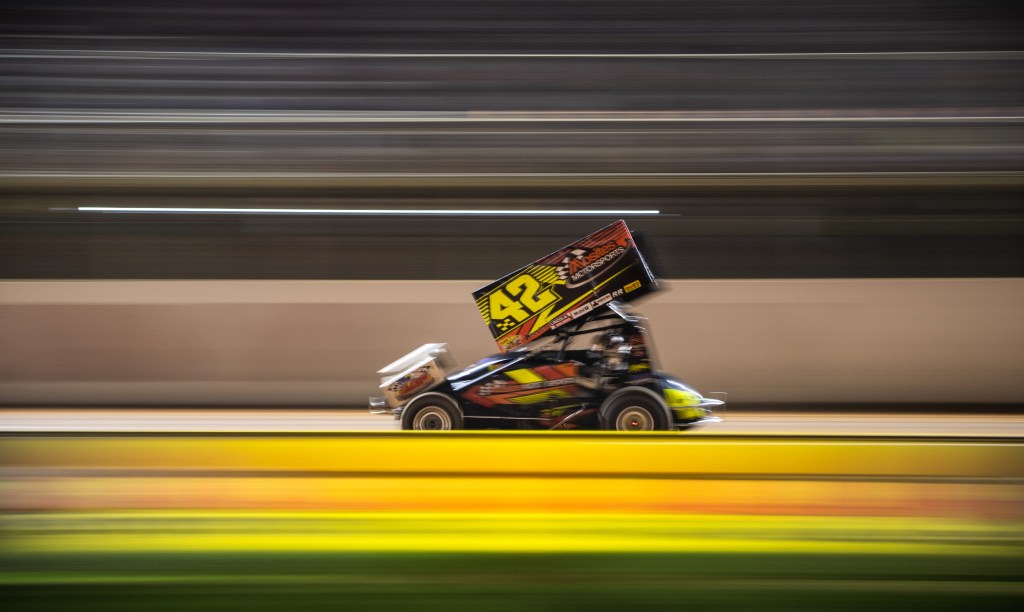
Sprint cars are all about vicious, gut-wrenching action, and years of capturing the wild weekly flip sequences from Flemington left Jack ideally position to freeze stuff like this with perfect detail and clarity, The images shows Logan Wagner hanging on to the Zemco 1 while undergoing some unscheduled flight training at Port Royal Speedway, one of the holy places of Sprint cars in central Pennsylvania. He can perfectly interpret motion, as the succeeding image of Sye Lynch, also at Port Royal, makes clear.
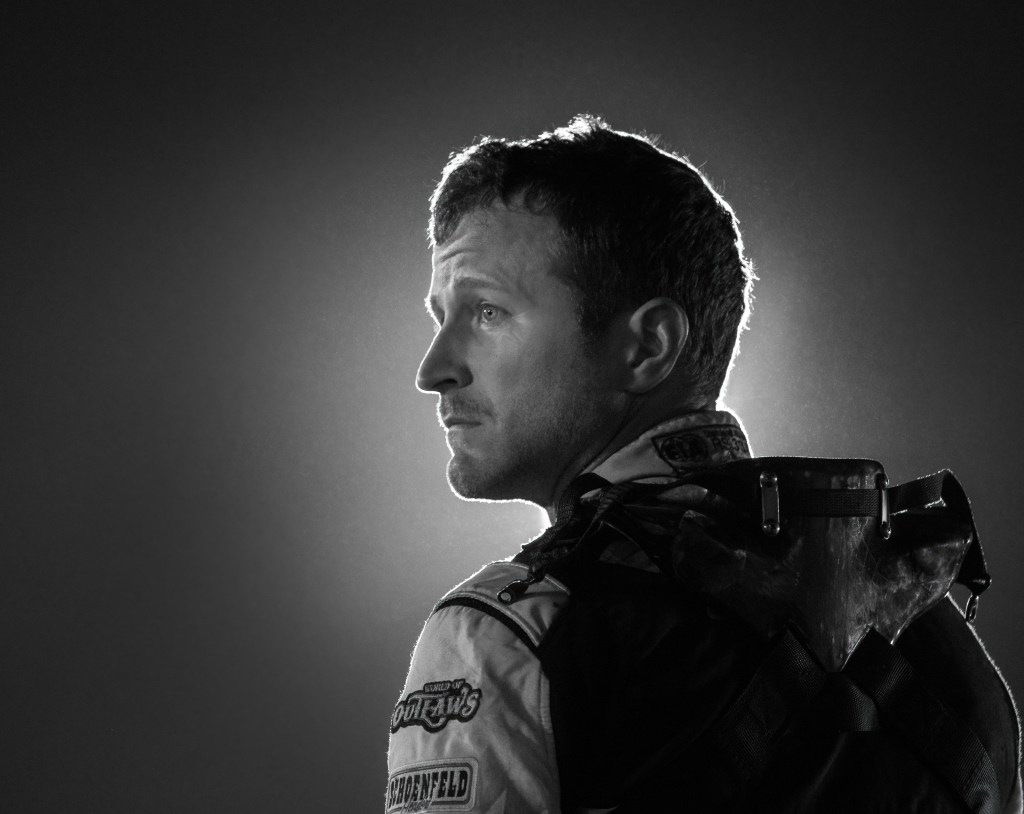
Plenty of photographers capture on-track action. What makes Jack unique are his candid images, usually captured in pit areas, which tell stories magnificently. Look at how Kasey Kahne is framed by a track light at Williams Grove Speedway in Pennsylvania.
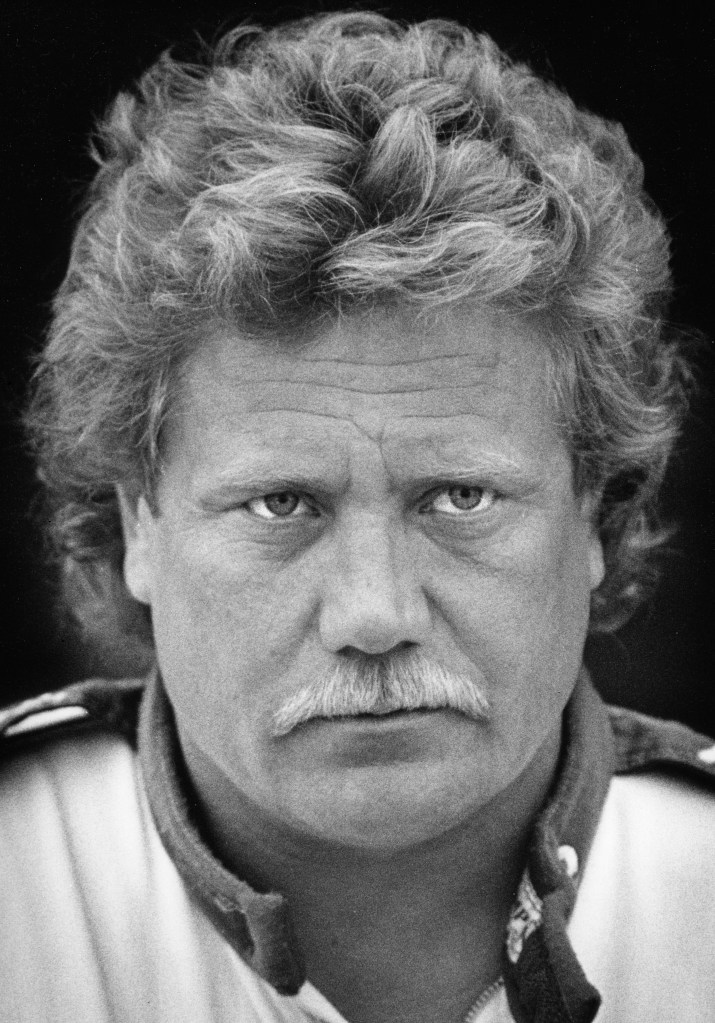
And we’d be remiss if we didn’t include this image of the Outlaw king, Steve Kinser, a guy you obviously don’t want to become annoyed with you.
Besides Jack, and the aforementioned Tony Stewart, Knoxville’s Class of 2022 includes multiple Little 500 winners Bob Frey and Eric Gordon, pioneering ASCS champion Terry Gray, Knoxville Raceway and Skagit Dirt Cup champ Tim Green, legendary Pennsylvania mechanic Ralph Heintzelman Sr., NARC car owner Walter Ross, World of Outlaws team owner and Knoxville Nationals winner Dennis Roth, veteran WoO official John Gibson, pre-World War II car builder Melvin “Slim” Rutherford and the soul of modern American motorsport journalism, the late Robin Miller.
Tony Stewart made his reputation in open-wheel race cars, cemented it in the tin-top world of NASCAR, and is now enshrined in two major motorsport halls of fame as a result. Smoke, however, is a busy guy, juggling race teams, a race track and a Sprint car series among his portfolio properties. Due in part to his recent nuptials with Leah Pruett, Stewart is going drag racing beginning this year in the most noisy and fiery way possible. Dodge/SRT and Mopar have shared the news that they’ll be backing Stewart – who, we should note, runs Fords in the NASCAR Cup Series – for Tony Stewart Racing’s maiden season in the NHRA Camping World Drag Racing Series.
Dodge//SRT and Mopar partner with Tony Stewart Racing (TSR) to compete in the 2022 National Hot Rod Association Camping World drag racing series. Shown from left are Matt Hagan – Driver, Dodge Power Brokers Charger SRT Hellcat Funny Car, Tony Stewart – TSR Team Owner, Leah Pruett – Driver, Dodge Power Brokers Top Fuel Dragster.
You can see the lead sponsorship signage on the NHRA Funny Car to driven by Matt Hagan, standing at the left, and the canopied Top Fuel dragster to be shoe by the newly minted Mrs. Stewart on the right. Hagan is a three-time Funny Car season champion, whose relationship with Mopar dates to 2009. Pruett owns nine NHRA national event wins in Top Fuel, and likewise has a longstanding deal with these onetime Chrysler brands. The sponsorships are the latest developments of the Dodge Never Lift campaign, a 24-month countdown to Dodge’s future path in EV production.
If you venerate automotive history, and you’re unfamiliar with the work of the American Hot Rod Foundation, you really ought to change things. The AHRF dates to 2001, when founders and Connecticut natives Steve and Carol Memishian took it upon themselves to begin documenting the history of hot rodding, in significant part by recording extended, in-depth interviews with the pioneers who actually experienced the birth of this hugely important era. Their work has led to priceless photo, video and audio archives running from A (Nick Arias, Joaquin Arnett) to X (Alex Xydias) among the greats who saw rodding through its challenging birth and gestation. It’s absolutely essential oral history.
Under the guidance of current AHRF director David Steele, who lives in Los Angeles, the organization also has its engineer boots planted firmly in rodding’s present, as well. Annually, the AHRF recognizes the American Hot Rod of the Year, drawn from monthly winners disseminated through its website and regular email blasts. The 2021 honor goes to the traditional but spotless 1934 Ford coupe of Scott Wren. The body’s all Henry, with a 4.75-inch chop and leaned-back A-pillars, riding on P&J Chassis rails with a Ford Model A crossmember. Power comes from a 401-cu.in. Nailhead V-8 from a 1961 Buick, bored .060 over, fed by a Barry Grant carburetor atop an Offenhauser intake manifold, everything mated to a BorgWarner T-5 five-speed manual transmission. You can see the underpinnings are equally traditional, with painted black steelies and a drilled, dropped I-beam front axle.
The first major new product announcement from Honda for 2022 involves its historic origins with a pair of wheels, rather than a quartet. First out of the box is the famed motorcycle that Honda simply calls the Africa Twin, its entry in the world of big-bore adventure tourers, which was reintroduced in 2016 following a production hiatus. The biggest technological update is that both versions of the Africa Twin will now share their rear carrier with an even more serious bike the distance-oriented Adventure Sports ES.
Officially known in the Honda catalog as the CRF1100L, the Africa Twin, again, is a serious bike for experienced riders. The action photo exhibits its robust protective skidplate and high-expansion exhaust. Power comes from a 1,084cc SOHC parallel twin – the cylinders are placed side by side – with four valves per cylinder. The Africa Twin will be offered with either a conventional six-speed manual gearbox or Honda’s dual-clutch six-speed automatic transmission. Regardless of powertrain, the Africa Twin is compatible with both Apple CarPlay and Android Auto.


 Jim Donnelly On Wheels