N Vision 74 concept unveiled by Hyundai

Concept cars used to be the delights of auto shows and to a great degree, they still are. Hyundai picked a prestigious outdoor gathering, the Concorso d’Eleganza Villa d’Este at Lake Como in Italy, for last week’s rollout of its latest design study, known as the N Vision 74. It’s a rolling laboratory for Hyundai technology now under active development, led by the N Vision 74’s use of hydrogen fuel cell hybrid architecture, which essentially combines the attributes of an electric motor with Hyundai’s hydrogen fuel-cell system, which the manufacturer says will only require a five-minute recharge time, which handily beats any conventional EV’s recharging capability.
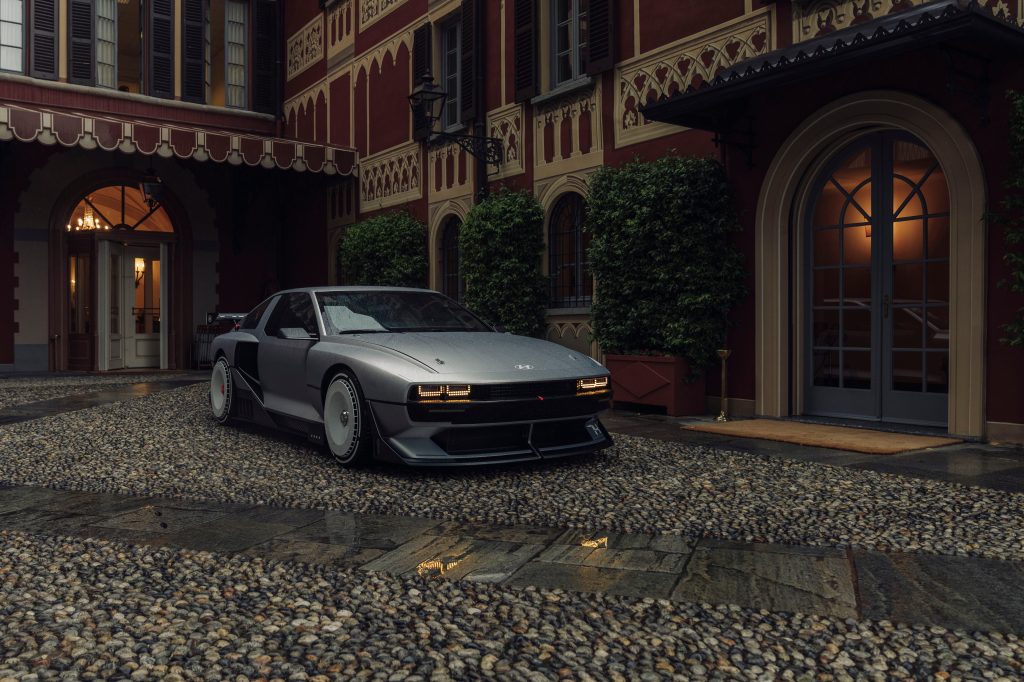
The concept car is a continuation of Hyundai’s N Line performance brand, and it’s equipped accordingly. The styling evokes the appearance of the very first Hyundai design study, the Pony Coupe Concept that was penned by the esteemed Giorgetto Giugiaro back in 1974.

More power, Trailhunter package for 2024 Tacoma

Toyota made a splash – literally – by choosing the big island of Hawaii as the location for introducing its 2024 lineup of Tacoma midsize pickups, the world’s best-selling truck in that size category over the past 18 years. The fourth-generation Tacoma is totally new and rides on Toyota’s TNGA-F global light-truck platform, with an all-independent multilink rear suspension newly being offered. A new model joining the 2024 lineup is the Trailhunter, a Toyota-developed overlanding rig with integrated off-roading accessories from Old Man Emu, ARB and RIGID.

The new Tacoma will offer regular ICE power plus a more potent hybrid system that has earned Toyota’s “Beyond Zero” distinction for ultra-low emissions. The standard i-FORCE engine is a turbocharged 2.4-liter four-cylinder unit that produces 278 horsepower and 317-lbs.ft. of torque. Stepping up to the 2.4-liter i-FORCE MAX hybrid system boosts horsepower to 326, with 465-lbs.ft. of torque.

Pricing set for Nissan’s wild, screaming GT-R

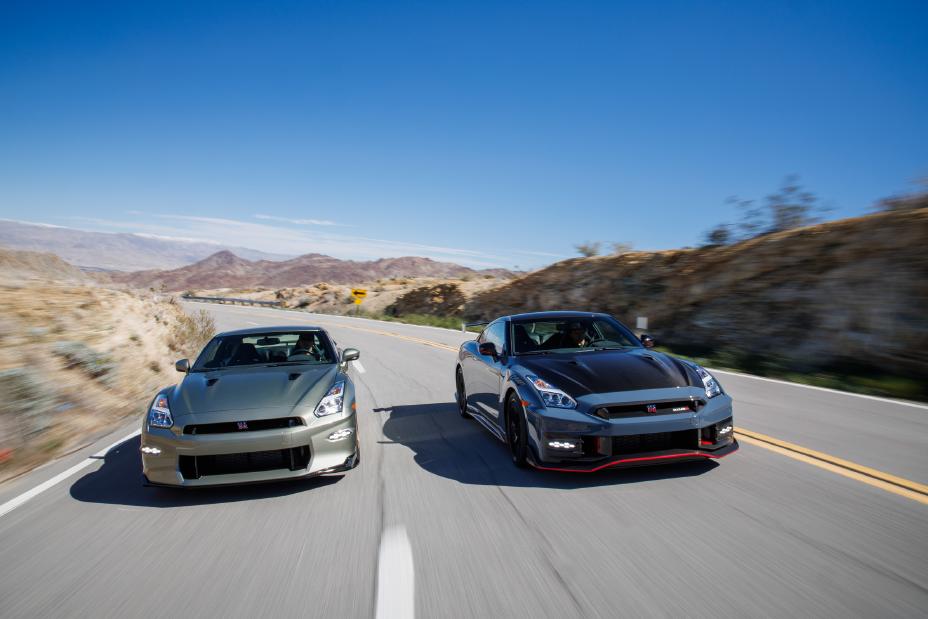
With all due respect to the 370Z, people who are really looking for ultra performance from Nissan know that the procedure is to order a copy of its limited-production, thunderously powerful GT-R coupes, a performance piece that can stand strongly aside the very best GTs that Europe, American and, yes, Japan can offer. For 2024, all three versions of the GT-R have new front and rear fascias that Nissan says provide added downforce and reduced drag, just the kind of aerodynamic efficiency you’ll want for a track day or anything else.

Offered in two exclusive colors, the GT-R range starts out with a 2024 base price of $120,990 for the GT-R Premium and $140,990 for the GT-R T-spec, both of which boast 565 standard turbocharged horsepower. Going all the way to the GT-R NISMO, which is rated at a full 600 horsepower, will begin at $220,900. These are seriously limited-production cars that will only be sold through select Nissan dealerships, so start doing your homework early.

IMPA honors for Crankshaft’s story on Tucker 1044’s restoration

I’ve received journalism awards throughout my career, I say gratefully, but I was profoundly stunned to learn yesterday that my story for Crankshaft‘s first issue on the restoration of 1948 Tucker number 1044 has been selected as winner of the Ken W. Purdy Award for Excellence in Automotive Journalism from the International Motor Press Asssociation. It was the first time the award, which has honored the very best in automotive writing since 1972, has been presented in three years. The award is named in memory of Purdy, arguably the finest journalist ever to put word to paper about automobiles. This is the most important accolade I’ve ever captured.

“Preston’s Prodigy” tells the story about the rush to complete this Tucker to show quality under crushing time pressure to get it ready for display at the Pebble Beach Concours d’Elegance in 2018. This impossible job was successfully completed by the artisans at Ida Automotive in Morganville, New Jersey, with direct participation in the project by the descendants of Preston Tucker, making it the only Tucker so restored. Sincere thanks to Rob Ida and Sean Tucker for attending the award ceremony in New York, and to Howard Kroplick for commissioning the work and seeing it through to a glorious conclusion. I’d like to say, right here, that I’ve been a working journalist since 1979 and have always been lucky enough to be surrounded by people who cared about my work and tried to improve it, no matter which publication I worked for over the years. It’s a big group of good people, and I’m sincerely grateful to them all.

Two engine choices for all-new 2024 Ford Ranger

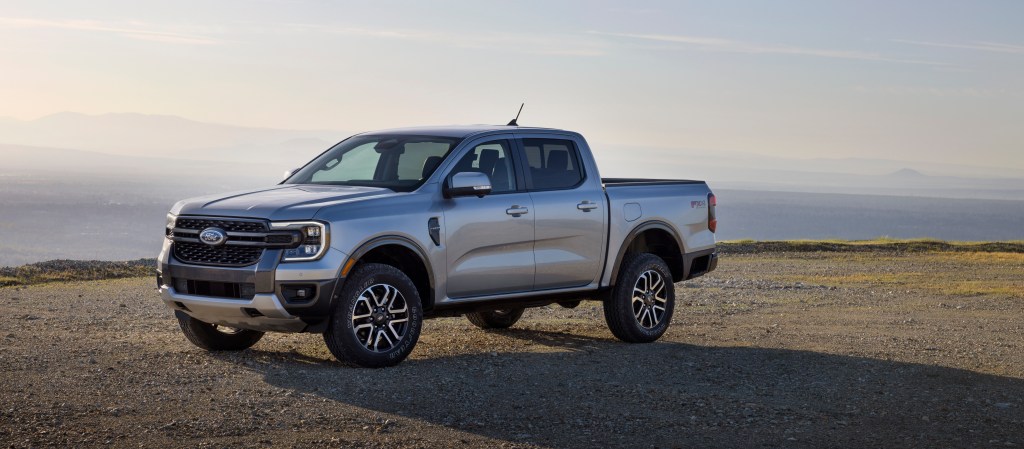
Ford has been a player in the small-truck market for decades, following a path that saw the captive-import Courier pickup of the 1970s evolve all the way into today’s Ford Ranger, which occupies a deep ledge in the North America market for midsize trucks. The Ranger has undergone a total re-imagination for 2024, with a host of big-truck extras now being extended to the Ranger line, including Ford’s AI-operated Pro Trailer Backup Assist, and an available step integrated into the side of the bed for improved load access.

Efficient storage space is a big part of what the 2024 Ranger is all about, with an available wireless charger for mobile devices, an oversize center console, oversize door bins and a second storage area located above the glove compartment. The standard Ranger engine is Ford’s 2.3-liter turbocharged EcoBoost, with four cylinders and 270 horsepower. Optionally available will be the 2.7-liter EcoBoost V-6 that’s already offered in the F-150 and Bronco, rated by the manufacturer at 315 horsepower.

An Acura caboose takes part in One Lap of America run

Right now, one of the country’s best-known and most historic participant automotive events is underway, the Tire Rack One Lap of America presented by Grassroots Motorsport magazine, a weeklong rush that can trace its roots to Brock Yates’ famed Cannonball events of the 1970s. Now managed by his son, Brock Jr., One Lap has secured an unusual entrant – heck, every One Lap participant is iconoclastic – in the form of an Acura NSX Type S mid-engine roadster towing a support trailer fabricated from the rear half of another NSX.

How come? The “one-and-a-half” NSX Type S is simply Acura’s way of being prepared during the challenging cross-country contest. The trailer portion is actually a pull-along utility rig that’s been packed with spare tires, spare parts, tools and other goodies to correct anything that goes awry on the road. And being a Type S, that means this Acura supercar doing the towing is an electrified vehicle, and nearly stock except for ultra-performance Falken tires on its lightened wheels.

Racing with Sammy Swindell

If you grew up around auto racing, American style, over the past 40 years, then you’re aware that Sammy Swindell, the soft-spoken star from Germantown, Tennessee, is one of America’s greatest Sprint car drivers, ever, going back to the days of Bob Burman and Babe Stapp. If you were lucky enough to chase Sprint cars in the 1980s, when the World of Outlaws was a relatively new thing, you know that Swindell was part of the GOAT trio of legends that did battle at every single show, the others being Swindell’s fellow megastars, Steve Kinser and Doug Wolfgang. There’s a lot more to the Swindell story, however, and there’s finally a book that tells it all.

The book’s cover is no exaggeration: Swindell, who tells his story here with the help of the acclaimed racing historians Bones Bourcier and Bob Mays, has been winning consistently for more than 50 years now, and is still doing it to this day. He’s primarily a Sprint car guy, but this sprawling 348-page hardcover reveals he had the pure talent to dabble strongly in other disciplines, including IndyCar, the NASCAR Busch series and even on Trans-Am road courses. An icon like Sammy, one of racing’s true good guys, deserves an iconic piece of literature to tell his story. Sammy!, with a foreword by our friend Dr. Dick Berggren, is offered for sale by Coastal 181 of Newburyport, Massachusetts, which publishes and stocks a bushel of vital books on racing just like this one.

Crankshaft Issue 6: A deep dive into automotive heritage

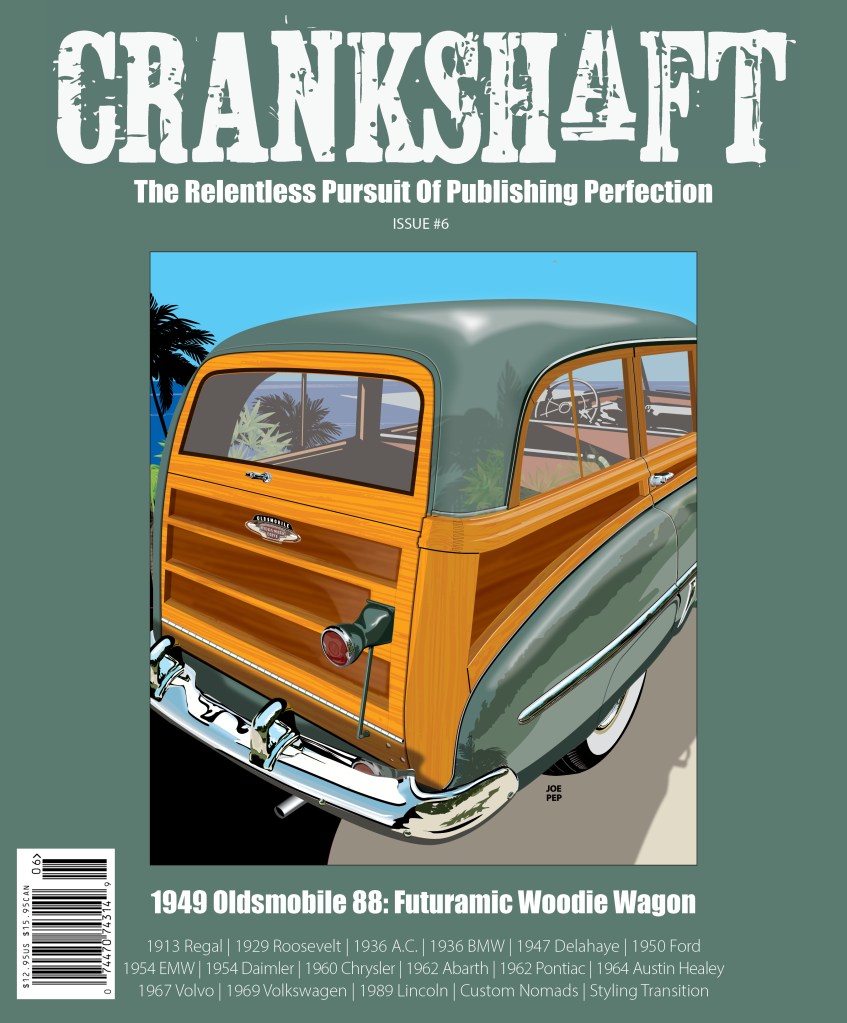
A very few car magazines publish features on Brass Era automobiles, so named for their bright trim, the kind that were produced prior to World War I. Some others will touch on cars from the 1980s, which are just now being recognized for their significance and collectability. Rarely, however, will you find a publication that assigns equal historic weight to cars built 100 years apart, and does so in impressive depth. But this is what you’ll find in the richly produced pages of the award-winning quarterly magazine, Crankshaft, whose sixth issue is just now reaching readers.

You never know what’s going to sprawl across Crankshaft’s premium issues. This quarter’s 144 pages include in-depth examinations of the 1929 Roosevelt, the lower-priced brand of Marmon; a look at the sinuous styling of a French-constructed 1947 Delahaye, a look at personalization of the famed Chevrolet Nomad and a British favorite, the big six-cylinder Austin-Healey of 1964. There’s also a retrospective on the spectacular, short-lived Ontario Motor Speedway in California. There’s enough deep automotive history in each issue to satisfy the most discriminating reader. Sign up, and find out what premium automotive journalism is really all about.

Toyota, PACCAR advance new hydrogen trucks

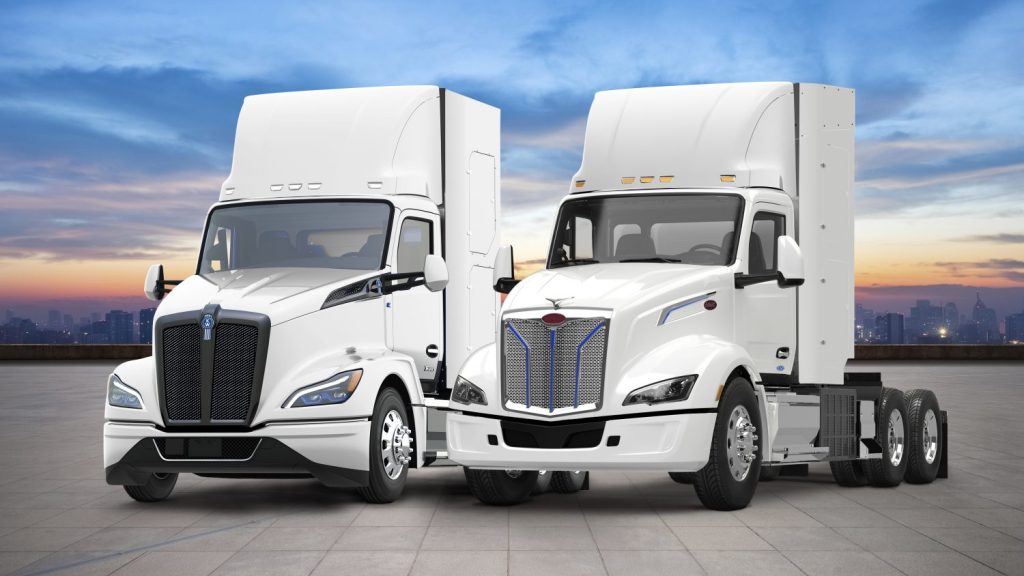
As anyone who drives a Prius, or any number of other vehicles already knows, Toyota is a world leader in developing alternative fuel technologies for a broad variety of vehicles, including many built by other manufacturers. Just for example, the Subaru Crosstrek hybrid gets its battery and charging systems from Toyota for installation in a Subaru-engineered vehicle. The same strategy is in evidence here, even if it involves a whole new range of alternate fueling. Toyota is now a partner with PACCAR, the Pacific Northwest-based manufacturer of Kenworth and Peterbilt heavy trucks, on developing hydrogen fuel cells that will power future editions of these big rigs.

PACCAR and Toyota have been cooperating on the creation of these zero-emissions haulers for several years now. The pilot program involved 10 hydrogen fuel cell-powered Kenworth trucks assigned to duties at the Port of Los Angeles. The test was positive and earned Toyota an all-important approval for the fuel cell system from the California Air Resources Board. Toyota plans to begin customer assembly of the fuel cell system late this year. The test rigs, and intended recipients, were Kenworth’s T680 tractor and its cousin, the Peterbilt 579.

BMW readies electric i5 sedan for summer debut

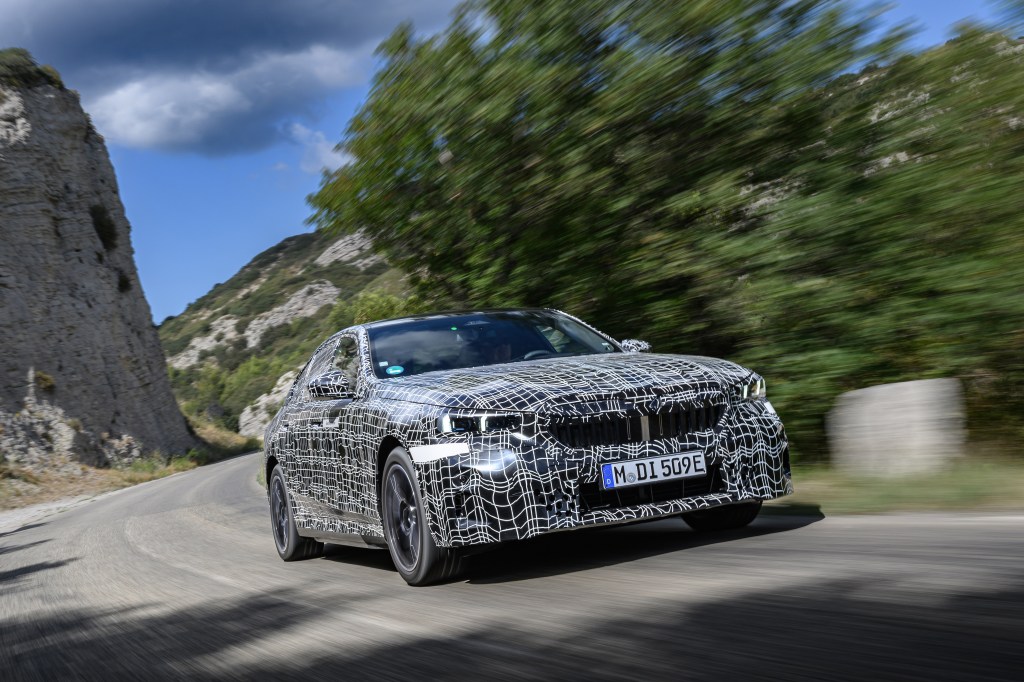
BMW is getting ready, literally, to roll out the eighth generation of its 5-series sport sedan, only with a major difference: This time, the 5-series will include an EV variant to be known as the i5, which is now undergoing final testing before production gets underway at BMW’s assembly plant in Dingolfing, Germany, in anticipation of a summer 2023 launch.

The last phase of product testing prior to the i5’s rollout involves fine-tuning its chassis performance. Part of that process will be the final development of the i5’s Vertical Dynamics Management program, now in its ninth generation, using networked control logic to direct the car’s up-and-down movement from road irregularities. The system measure all chassis inputs, including wheel speeds, steering angle, yaw rate and acceleration, to create optimal damping under dynamic loads. This allows more precisely managed issues such as body roll when the vehicle’s being operated.