The life and characters of a fabled dirt track in New York

It springs up out of nowhere, amid the spiky hills of the Taconic Mountains along rolling U.S. 20 between Albany, New York, and Pittsfield, Massachusetts. Not much goes on in those parts except on Saturday nights, when Lebanon Valley Speedway turns on the lights and fires up the engines. What’s about to unfold is a firmly managed evening of short-track auto racing on a dirt track with sky-high banked turns and scary speeds. For a whole range of reasons, Lebanon Valley is one of America’s premier weekly motorsports facilities. Who better to tell its spectacular story than a guy who actually battled its banks in a thundering, soil-slinging big-block Modified?
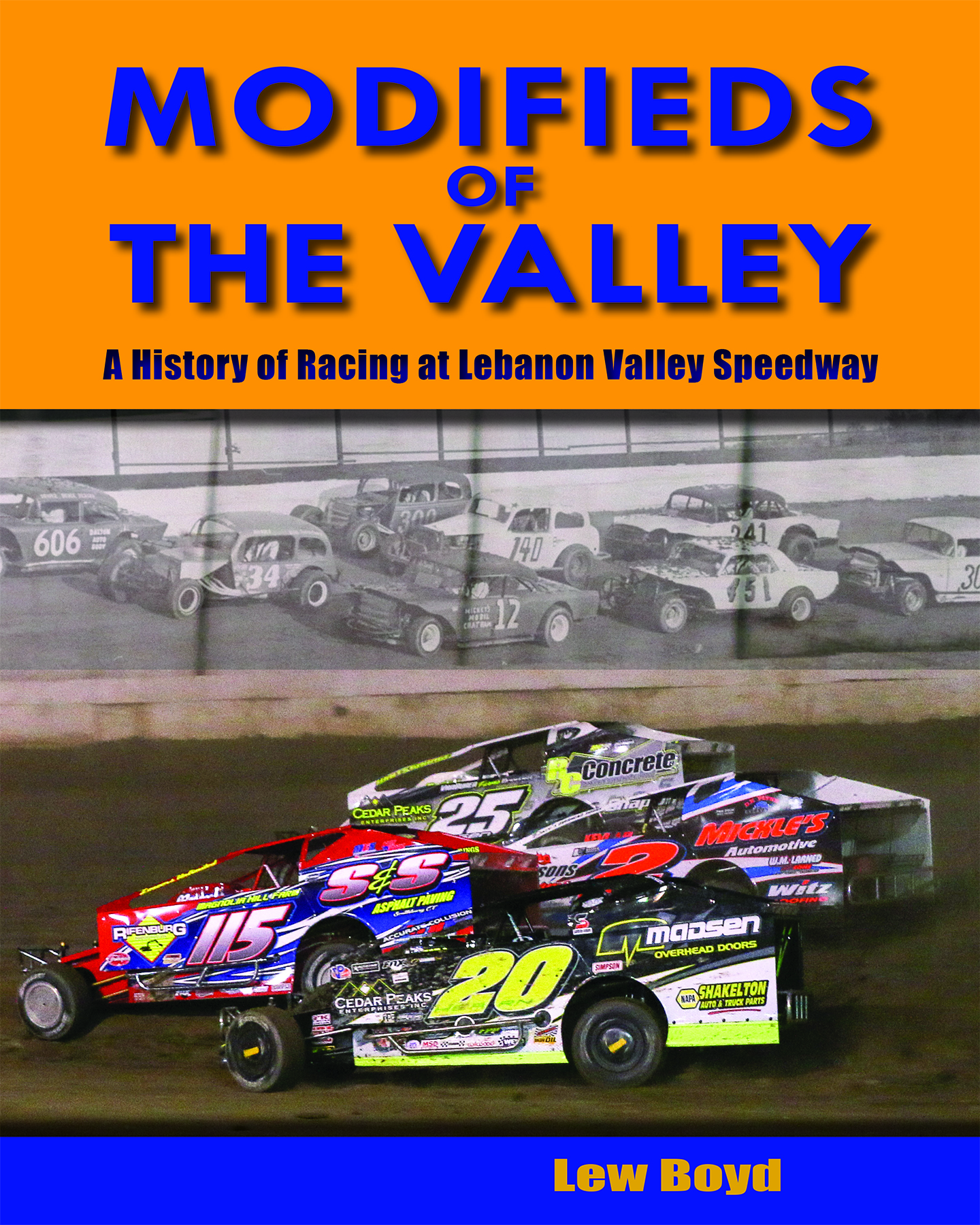
Lew Boyd has spent an off-and-on lifetime manhandling Modifieds, the signature race car of the northeastern United States, and even though he’s lived a long time near Boston, he hauled west to the dirt tracks of upstate New York, including Lebanon Valley. Now, Boyd has told its seven-decade story in 288 softcover pages with 280 photos, bringing the Valley to life with the words of those who were there from the very beginning in the 1950s, to those who operate it today, led by promoter Howard Commander, and the words of its greatest competitors, from Tommy Corellis to Kenny Tremont Jr. Lebanon Valley is famous for compelling racing, a show run off with discipline and dispatch, and some legendary track food (the meatball subs are homemade and an absolute must). If you’re into stock cars and the great places that they run, you need this book. Go to the website of Coastal 181, Lew and his wife Cary’s publishing company, or call 1-877-907-8181. During the month of May, there’s a special on this volume, going for $25.95 that you can get by using the coupon code MaySaves. Flat out, this is one of the finest race track histories we’ve ever read. You won’t be disappointed.
Six in a row is always a go, at least at Land Rover

Despite all its incredibly upward mobility, lots of us tend to think of Land Rover in simplistic terms, whether you visualize one helping a farmer in Wales bring in a load of hay or another, similarly basic Landie hauling a team of Tommies through Ulster at the height of the Troubles. Part of its basic utility was always inline power, be it gasoline or diesel.

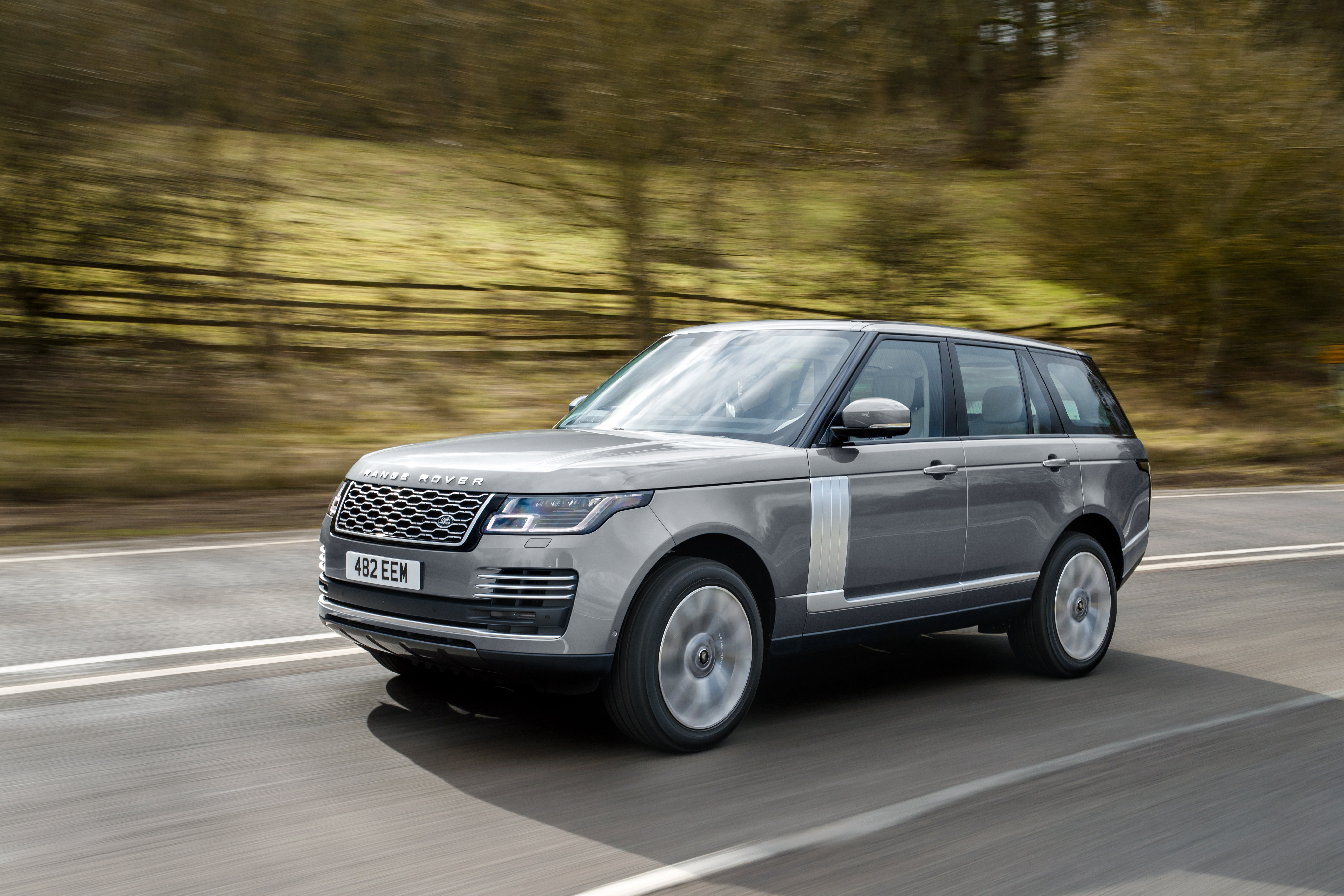
Range Rover, one of the industry’s most august names when it comes to luxury off-roading, is continuing that tradition. Jaguar Land Rover has just extended its straight-six Ingenium engine to the Range Rover Sport model. The new six is part of Land Rover’s Ingenium engine family, displaces 3.0 liters, and comes from the proud firm’s Engine Manufacturing Centre in Wolverhampton, England, which cost a billion pounds Sterling to build.

The Ingenium six comes in two power levels, and replaces a more conventional (by today’s standards, anyway) V-6 that previously powered the sporting variant of the Range Rover. Uniquely, it mates an electrically operated supercharger with a twin-scroll turbocharger and continuously variable valve lift for efficiency. And while speaking of efficiency, the powertrain package includes Mild Hybrid Electric Vehicle (MHEV) technology, by which a small, integrated electric motor gathers energy lost during deceleration and redistributes it on an as-needed basis. Part of the Ingenium variable-architecture engine family, the inline-six burns petrol. Find out more by visiting the Land Rover website.

A landmark book about a landmark American hot rod

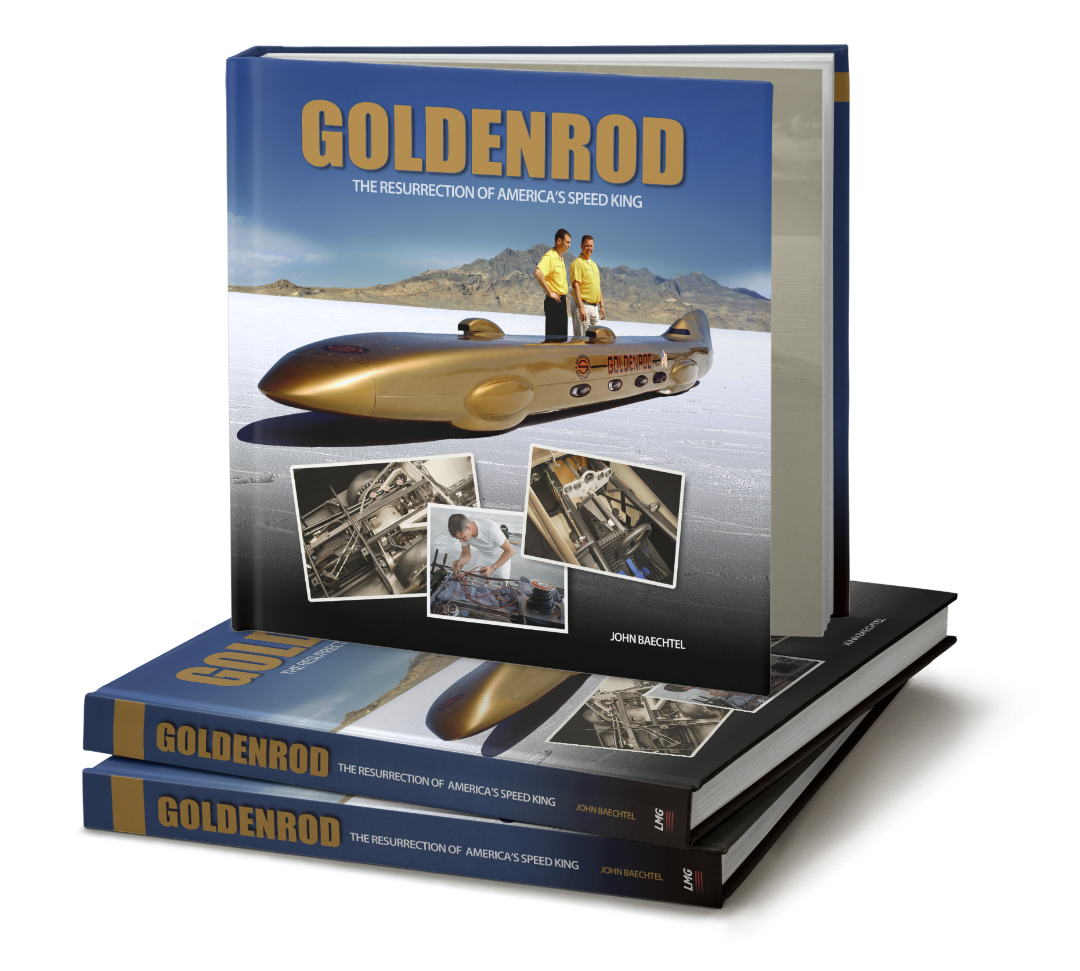
At one time, the lean, incredibly sleek Goldenrod was the fastest car in America. And that’s by the definition of a car as a vehicle with an actual driveline, with its engine or engines utilizing a transmission to transfer that power to its driving wheels. Over the past 50 years and then some, the definition of speed has belonged to jet- and rocket-powered wheeled missiles arrowing across the Bonneville Salt Flats or Black Rock dry lake, among other suitable locales, using thrust for propulsion. Goldenrod was built by a couple of traditionalist hot rodders, using an internal combustion driveline, the old-fashioned way. It held the land speed record for wheel-driven vehicles for 45 years. This terrific book tells the story of its creation and restoration.

In 295 hardcover pages on heavy paper, the restorer, land-speed specialist John Baechtel, tells how Goldenrod was first conceived and built. Construction and detail photos liberally dot the text, along with engineering drawings, full specifications for the streamliner’s quartet of inline-mounted racing Chrysler Hemi engines, and its FIA certification. Those into math can also find the equations that builders Bob and Bill Summers worked up on slide rules to determine Goldenrod’s power needs based on its weight and frontal area. Bob Summers, who died in 1992, coaxed the car to a two-way average of 409.277 MPH at Bonneville in 1965, with an estimated 2,400hp on tap. Goldenrod was acquired by The Henry Ford in Dearborn, Michigan, in 2002 and Baechtel undertook its restoration. The wheel-driven LSR, by the way, was reset in 2010 by Charles Nearburg at Bonneville, running more than 417 MPH in the single-engine Spirit of Rett. You can order this excellent book from Autobooks-Aerobooks in beautiful downtown Burbank, California, for $99.95; tell ’em we sent you.

How Nissan turns engines into pieces of jewelry

Okay, I admit it’s a little bit of a play on words but Nissan does really use jeweler’s practices in prepping its hottest engines for assembly, and recently extended the practice to one of its bread-and-butter cars. The same technology used for making the cylinder bores in Nissan’s awesome GT-R muscle coupe is being transferred to the engine-development process for the 2020 Altima line. The whole process for the Altima takes place at Nissan’s huge engine plant in Decherd, Tennessee.

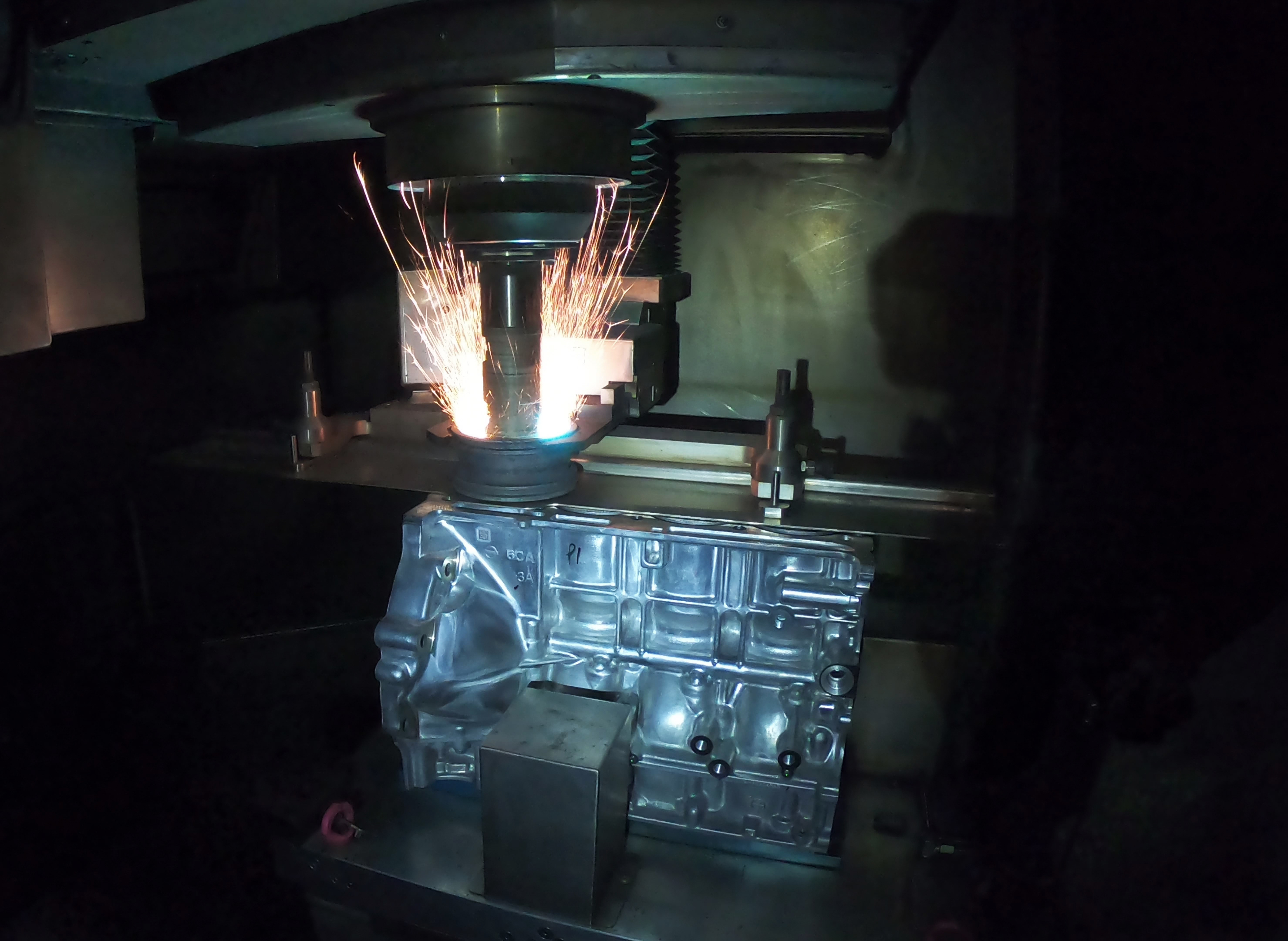
What Nissan’s doing is extending the practice of mirror boring to the Altima engine’s cylinder bores for significantly reduced parasitic friction and enhanced overall performance efficiency. Doing so for the big-selling Altima makes this the highest-volume application of mirror boring in Nissan’s history. The bore process involves spraying the bore with a charged metal wire that’s atomized via pressurized gas to make the material adhere to the inside of the bore, about 200 microns’ worth – about twice the thickness of a human hair. That’s what’s going on in the photo above.

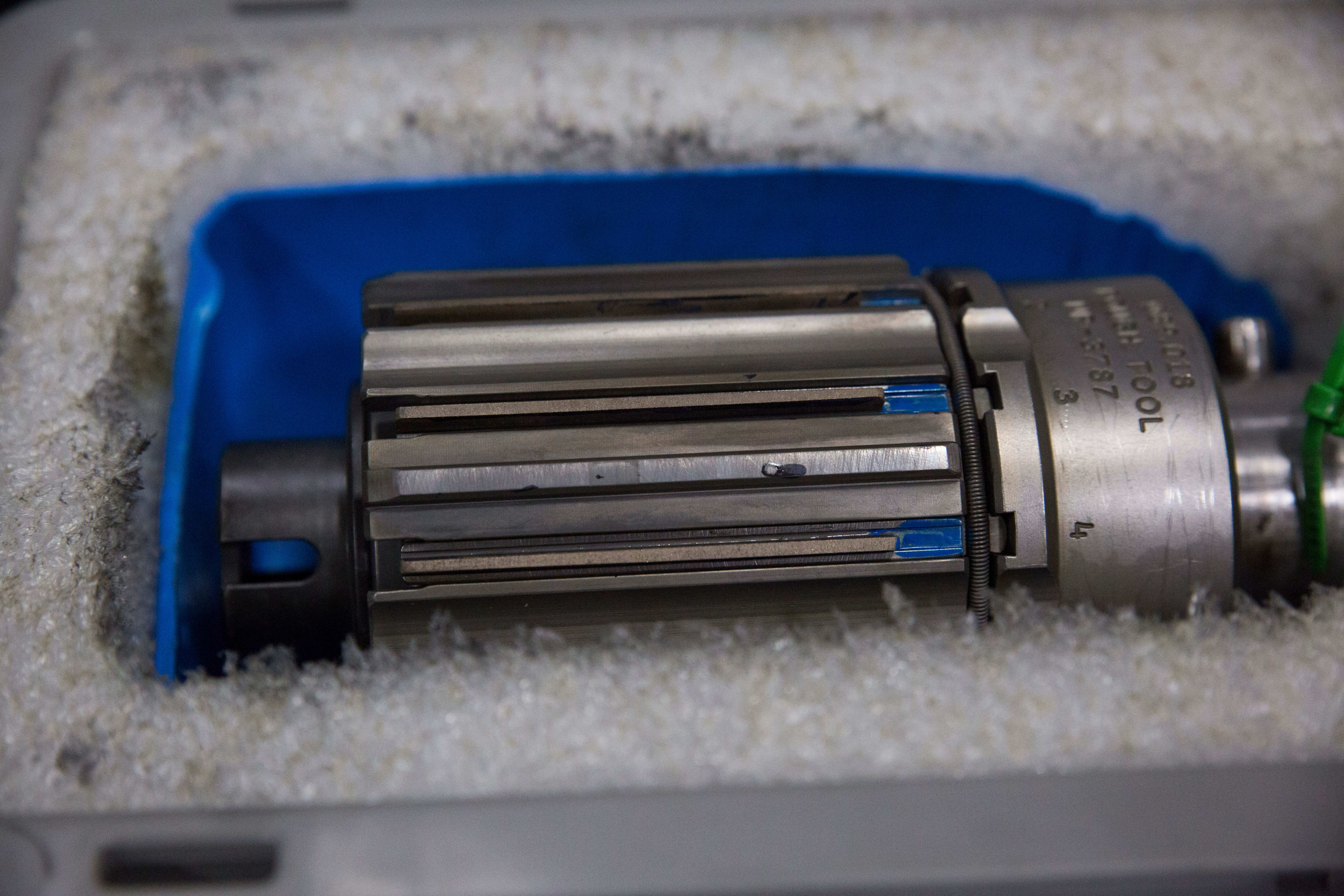
Next, Nissan uses a special drill bit tipped with diamonds that are considered unfit for use in jewelry. This bit is spun at high speed inside the bore so the melted metal coating will polish to a flawlessly smooth finish, literally to a mirror’s reflectivity. First opened in 1997, the Decherd engine plant assembles 1.4 million new Nissan engines every year: That works out to an average of one every 19 seconds. You can learn all about the much-updated 2020 Altima by visiting Nissan USA’s website.

A paean to Carroll Shelby

The name alone stirs excitement among enthusiasts of American performance cars. This coming weekend, the followers of the late Carroll Shelby will have an opportunity to enjoy a multi-day celebration of Shelby’s life and automotive creations at his base of operations. The 7th Annual Carroll Shelby Tribute Car Show takes place this coming Friday and Saturday, May 3 and 4, at Carroll Shelby’s Store, located at 19021 S. Figueroa St., Gardena CA 90248. It’s a rollicking tribute to everything the legendary Texan touched.

Besides a huge display of Shelby automobiles organized by Shelby-American clubs in and around Los Angeles, there’s other entertainment planned. Carrol Connors, who wrote Hey Little Cobra for the Rip Chords back in the 1960s, will perform during the festivities. There will also be a screening of the Elvis Presley musical film Spinout, in which the King tools around in a Shelby Cobra. Speaking of which, the Cobra Experience of Martinez, California, will be exhibiting CSX2154, the first competition Cobra ever produced by Shelby American. Interested? Clear your calendar and contact http://CarrollShelbyTribute.com/ for more information on this rockin’ show.

The times, they are a-changin’

This isn’t a rant. It’s just an open, unanswered query about where the future of the automobile is going. It’s being posed by yours truly, whose born-on date was in 1956, back when Chrysler was a fully American-owned company that had just introduced the New Yorker St. Regis series. Between the expanding national network of Interstate highways with high speed limits, stock cars on the beach at Daytona, drag racing sweeping California and a field full of Kurtis roadsters at Indianapolis, it was a wonderful time to enter the world of cars. Lately, I find myself wondering what a car’s likely to be, and to do, in the near future.

Consider the moves that the Ford Motor Company has announced over the past week or so. First of all, Ford announced that it has entered a partnership with Transportation Mobility Cloud developer Autonomic, which will develop cloud-based computing and connectivity technologies for all Ford vehicles. Stripped to its basics, the deal will allow Ford to stick to its historic job of building cars and trucks, while outsourcing the connectivity work to a partner with vast expertise and technical resources. In the marketplace, the collaboration will be powered by Amazon Web Services, from the same company owned by Jeff Bezos, the world’s richest human, and through which many of us got a start buying discounted books.

In perhaps bigger news, Ford also disclosed its plans to invest half a billion dollars in Rivian, a startup manufacturer of electric vehicles based in Plymouth, Michigan. Rivian was founded in 2009 by engineer R.J. Scaringe, and recently picked up another $700 million in investment from, yes, Amazon. The firm has developed a fully electric pickup and SUV, which it hopes to produce in volume at the former Mitsubishi assembly plant in Normal, Illinois, being renovated with more than $200 million ponied up by investors that include a Saudi bank. The whole deal looks good to Ford, as this photo of Scaringe (left) and executive chairman Bill Ford Jr. abundantly indicates.

Rivian will use a shared “skateboard” platform incorporating all propulsion and battery systems to power its vehicles. So what can this startup do for Ford, which earned its chops building Model Ts at Highland Park and River Rouge? According to some sources, the Rivian deal with Ford came together after similar talks with General Motors reached an impasse. Ford Jr., the company’s top executive, said it will give his family’s business a quicker way to develop and engineer electric vehicles, such as a planned SUV and electric version of Ford’s all-conquering F-150. The infusion of new cyber technology and electric power have put today’s global auto industry in a state of flux and dizzying change that we haven’t experienced since the safety revolution of the 1970s and forward. Ford made its announcement just as it unveiled a quarterly financial report that showed quarterly losses, in part from dropping the Focus subcompact. Electro-vehicle market leader Tesla also announced significant operating losses. Honda and GM have partnered to bring autonomous vehicles to market, a segment of the industry that also involves Waymo, an operating partner of Google. What’s all this mean? I can’t say, given that I’m still reaching for a level of comfort and confidence with computers that allow what you’re reading here to exist. But the new partnerships and dizzying pace of technological development, I daresay, is going to transform the auto industry in a way that none of us could have ever imagined even a decade ago. Whether it’s all for the better is something we’ll all come to learn as time moves ahead.

How to remember a racing champion who was legendary

There, and forever will be, only one Anthony Joseph Foyt Jr. To many of us, he’s simply the greatest race driver who ever lived. First to win the Indianapolis 500 four times. Daytona 500 champion. Co-winner, with the late Dan Gurney, of the 24 Hours of Le Mans in 1967. Survivor of everything from shattered legs to open-heart surgery to being ravaged by a swarm of Texas killer bees on his ranch.

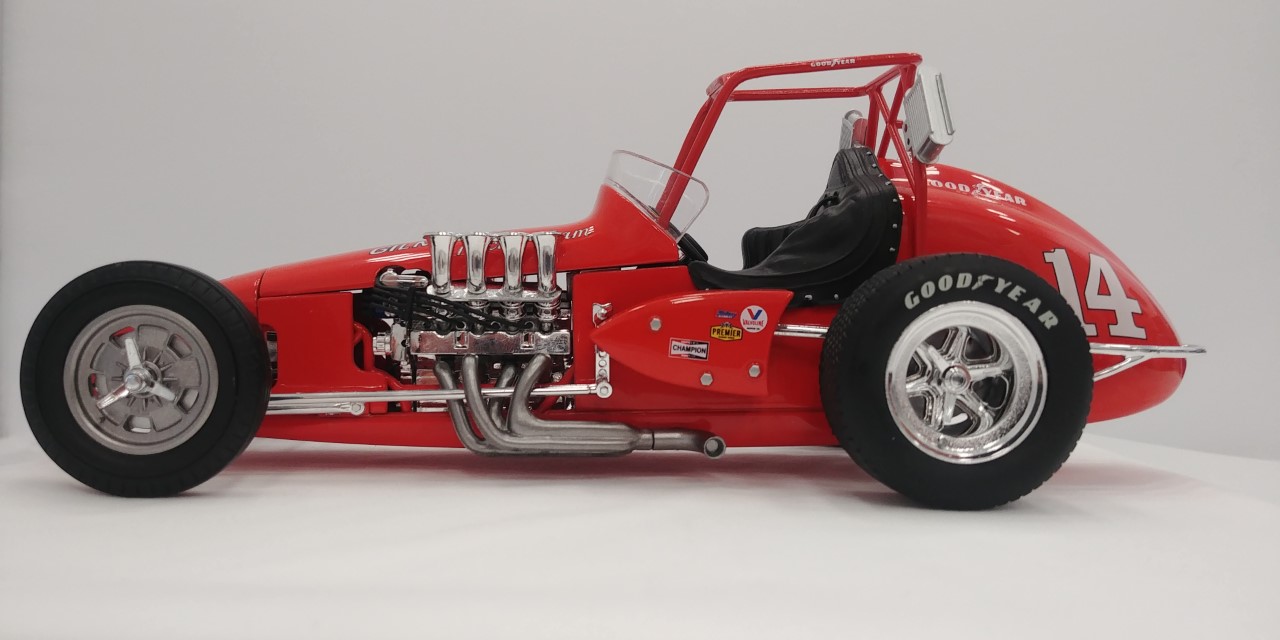
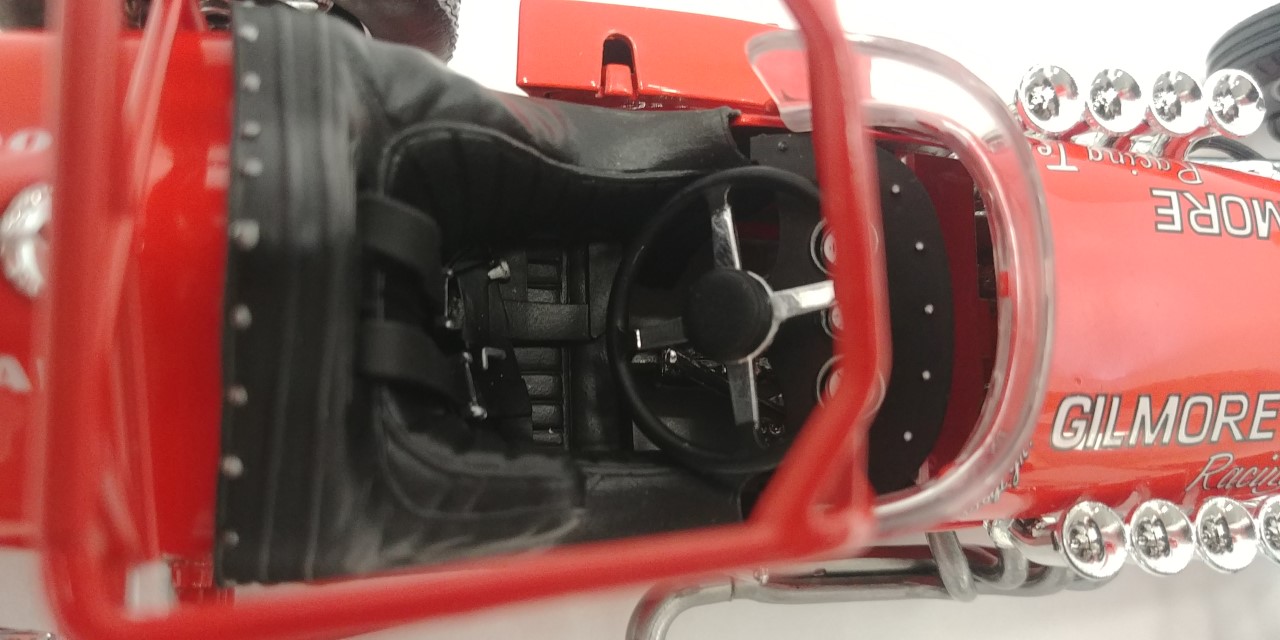
The National Sprint Car Hall of Fame and Museum in Knoxville, Iowa, recognized Super Tex by naming him part of its initial class of inductees in 1990. He was equally accomplished on shorter tracks, winning 28 USAC Sprint car races in his career and a slew of wins on the dirt miles in cars like the one replicated here. If you join the Hall of Fame as a member, you’ll be eligible to buy this 1/18th-scale diecast model of Foyt’s Gilmore Racing USAC Silver Crown car from the 1970s, powered by a four-cam Ford Indy engine that Foyt later built under his own name.

The model is produced by one of the industry’s leaders, Acme Trading Company, and only 400 examples will be made. The model offer coincides with a special museum exhibit honoring Foyt’s incredible accomplishments in racing. Limited to two per customer, each replica is priced at $119.95 plus shipping. You know you’d like one of these if you venerate Foyt. For information on the model and joining the hall of fame, go to http://www.sprintcarstuff.com or call 1-641-842-6176.

Hey, who wouldn’t like to get their hands on a free Ferrari?

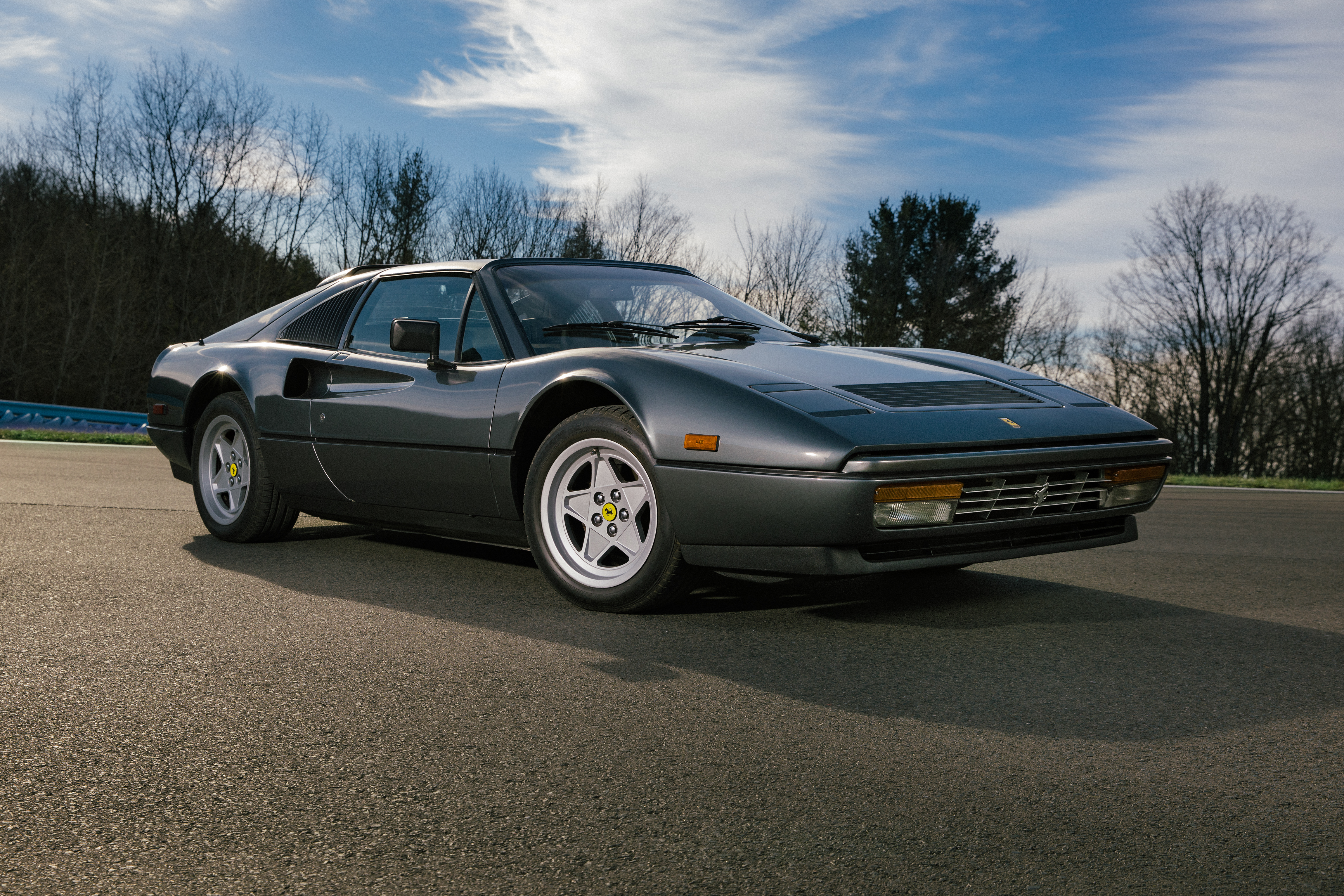
There’s a hitch, though. In order to be considered for this 1986 Ferrari 328 GTS, you’ve got to buy a raffle ticket. Remember, the 308 and 328 from Ferrari were some of autodom’s most lusted-after objects when they were new. This one has logged 60,500 miles, meaning it’s nicely broken in, and has an estimated value of more than $70,000.

Power comes from Ferrari’s 3.2-liter V-8 with 270hp, backed by a five-speed manual transaxle, naturally. The raffle’s being held to benefit a wonderful resource, the International Motor Racing Research Center in Watkins Glen, New York. Tickets are $40 apiece or three for $100, with a maximum of 3,328 tickets to be sold. The drawing takes place October 5. Send your check to the IMRRC at 610 South Decatur St., Watkins Glen NY 14891. Telephone is 1-607-535-9044, or email them at research@racingarchives.org.

It’s still the going thing

There’s been a Mustang in Ford’s production lineup for 55 consecutive years now. That’s a heck of a record of longevity in an industry where product life cycles are sometimes measured in the passage of just a few autumns. During the 2018 model year, Ford delivered new Mustangs to 113,066 customers globally, officially making the pioneering pony car the world’s best-selling sport coupe for four straight years. That’s impressive.

High Performance Package adds Mustang GT brakes, and GT Performance Package aerodynamics and suspension components to make it the highest-performing production four-cylinder Mustang ever.

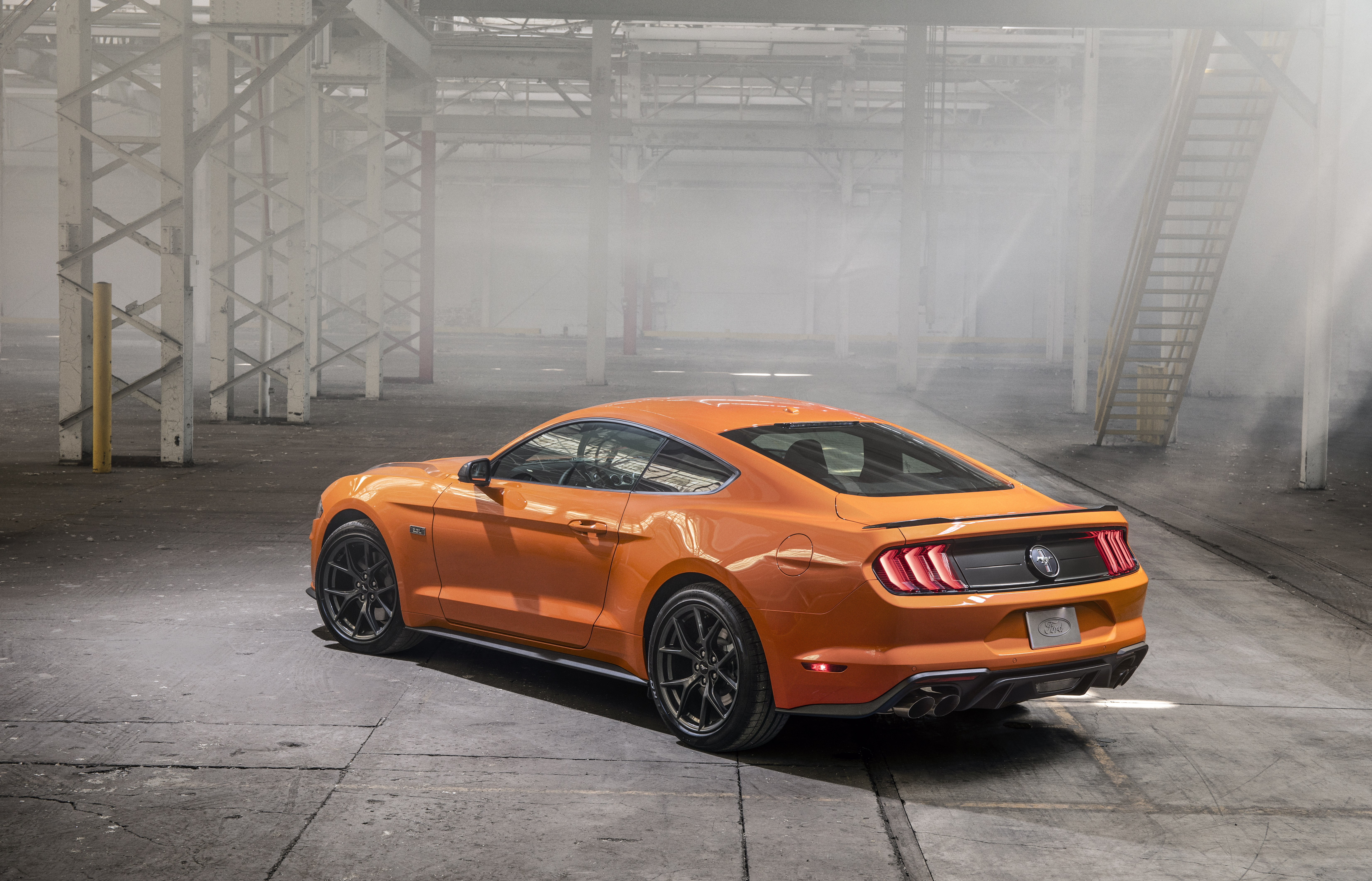
Ford’s taking it further in 2020. Unveiled at the New York International Auto Show is the spiritual descendant of the four-cylinder Mustang SVO ultra-performance special from the 1980s. The 2020 Mustang, like the SVO, has 2.3 liters of displacement but the similarities pretty much end there. This time around, the Mustang will offer buyers a version of the turbocharged Ford Focus RS engine, built in Valencia, Spain, especially for use in this equine bottle rocket. It rates at 330hp, the biggest output number of any American-sold four-cylinder engine, with 350-lbs.ft. of torque. Part of the Ford EcoBoost engine family, the iron-block, aluminum-head engine uses a 5 percent larger turbocharger than the Focus RS and a bigger-capacity standard radiator. The Mustang engine’s power band is likewise 40 percent wider. The standard suspension borrows heavily from the V-8 powered Mustang GT. These cars are all about looking tough on the street, and we absolutely love the tucked-in C-pillars and rear quarters of this current Mustang. The EcoBoost Mustang hits the showrooms this fall.

Make mine a NISMO

One of the better automotive milestones being marked this year is the 50th anniversary of Nissan’s Z-car, originally called the 240Z or to some, the poor man’s Jaguar E-Type. If you remember back to the 1980s, you’ll recall that the Z-car then took a decidedly sideways step away from its performance roots, growing 2+2 bodywork, a lot of luxury goodies and a heck of a lot of weight. Now, Nissan has its current-generation 370Z back in fighting trim, especially the line’s designated tuner/performance model, the 2020 370Z NISMO.

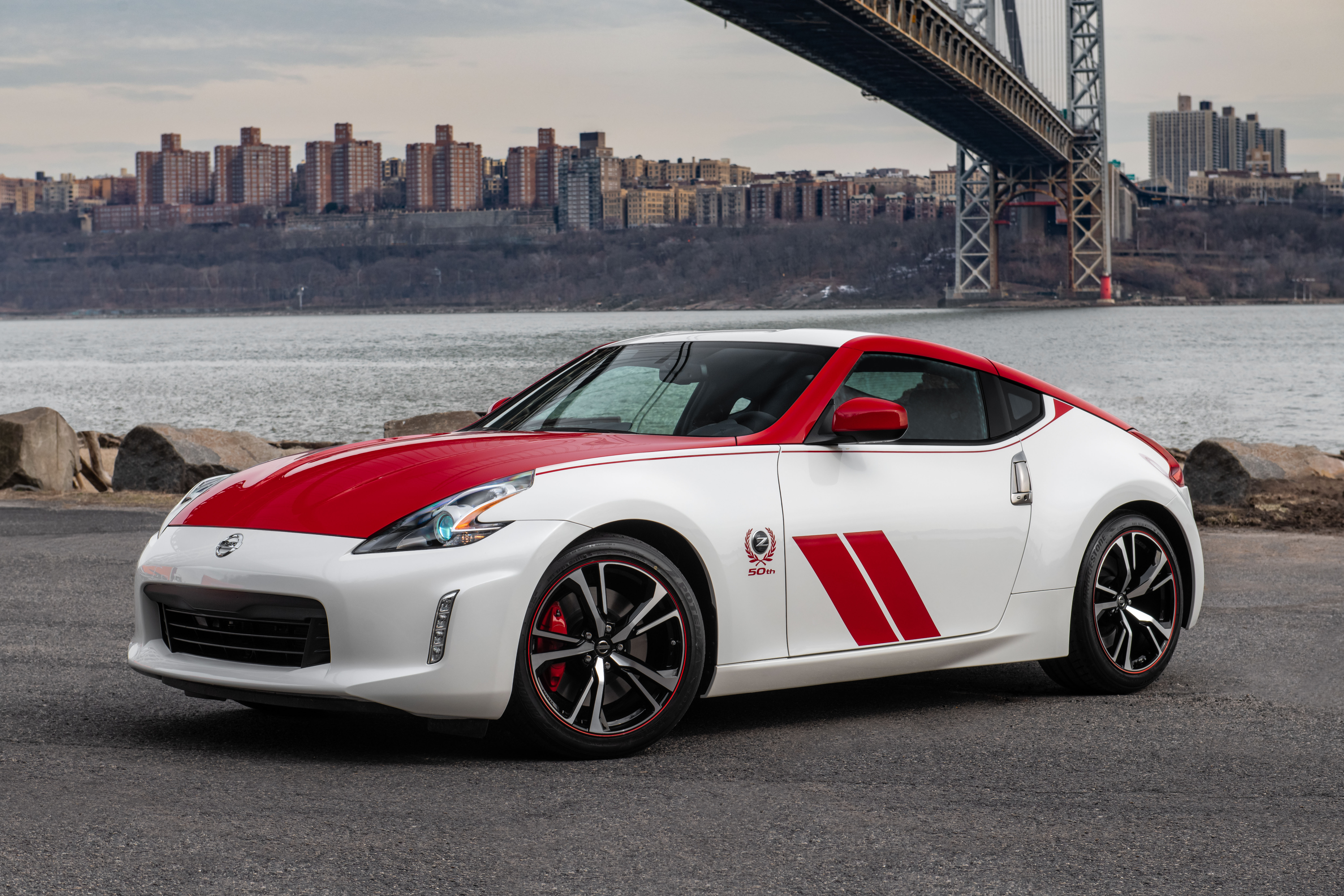
The exterior of the 370Z 50th Anniversary Edition mimics the livery of the original BRE race car and is available in two different paint schemes: white with red accents, or silver with black accents.

Sporting the black-and-red NISMO badge, this version of the 370Z borrows conceptually from the similarly NISMO-ized take on Nissan’s legendary GT-R. Body add-ons make it 3.0 inches longer than a standard 370Z. Beneath its aluminum hood lurks the heart of the matter, a 3.7-liter DOHC V-6 with Nissan’s VVEL (Variable Valve Event and Lift Control). It’s rated at 350hp at 7,400 RPM – 18 more than the standard Z-car’s output – with 276-lbs.ft. of torque at 5,200 revs. Two transmissions are offered: A close-ratio six-speed manual with synchronized downshift rev matching and an improved EXEDY high-performance clutch; and a seven-speed automatic that also matches engine revs to the transmission’s ratios while downshifting. Enhanced brake and suspension tuning are also on board, along with a shorter rear-end ratio, to 3.92 final drive with the manual. We love the color and graphics treatment, very reminiscent of the factory Datsun 510s and 240Zs that Peter Brock fielded in the western United States back when the Z-car was new in the 1970s. Can’t you just image John Morton cutting loose in a NISMO. Prices just announced range from $30,090 for the base 370S up to $45,790 for the NISMO variant.