Journalism is my life. I've been at it since the 1970s, starting in news and developing specialties in covering automobiles and motorsport. I hold more than 50 journalism awards for work in both newspapers and magazines. I have developed a global audience during my career.
General Motors took an unusual step in moving its vehicles forward this week. It happened when GM president Mark Reuss debuted the company’s all-new electronic platform necessary for its next-generation of vehicles, EVs, active safety, infotainment and connectivity features, and the evolution of the Super Cruise driver assistance feature. The aim of this complex process is for GM’s worldwide vehicle fleet to reflect the corporate goals of zero crashes, zero emissions and zero congestion.
As car people, we’re hardwired to think about vehicle “platforms” solely in terms of a stamped and welded metal floorpan and the attendant powertrain components. In today’s automotive world, that mindset is becoming increasingly archaic. GM’s electronic platform, as it’s dubbed internally, anticipates the additional digital bandwidth and electronic connectivity that will be required as vehicles become ever smarter and move inexorably toward driving themselves, whether any of us like it or not. This isn’t Back to the Future stuff, either: GM’s prototype electronic platform is an integral part of the just-unveiled 2020 Cadillac CT5 sedan. It goes into market production later this year, and the new platform is expected to be integrated into all GM vehicles by 2023. The technology powers an electronic system, capable of managing up to 4.5 terabytes of data processing power per hour, a fivefold increase in capability over GM’s current electrical architecture. With an expanded capacity for smartphone-like over-the-air software updates, the system enables the adoption of functionality upgrades throughout the lifespan of the vehicle. The new architecture also provides more rapid communications within the vehicle itself and to outside sources thanks to Ethernet connections of 100Mbps, 1Gbps, and 10Gbps. If this all sounds like some kind of disconnected noise to you, don’t let it. Embrace it. This is the future of the car and it’s coming sooner than we think.
The largest training center for advanced drivers in the world, and one of the most famous, is under new ownership. The Bob Bondurant School of High Performance Driving has been purchased by Stig Investments Inc., which appropriately is headed by a group of racing and skilled-driving enthusiasts. The deal was announced this week, though no terms of the sale were disclosed.
Based in Phoenix, the school maintains a 3.0-mile, 26-turn track and a reconfigurable course for exercises. Its fleet of 100 vehicles ranges from street cars to open-wheel formula machines, but for most driver training, FCA automobiles are used exclusively, up to the 800-plus horsepower Dodge Challenger SRT Demon and the Viper ACR. FCA US LLC is already on board with the new owners, and intends to continue supplying vehicles to the school. Its founder is Bob Bondurant, one of the United States’ best road racers during the early 1960s, who went on to have a stint in Formula 1. He established the school to train prospective racers, but went on to teach fast driving for everyone from Hollywood stars to corporate drivers needing to learn threat evasion to NASCAR races who wanted to turn in both directions, not just left.
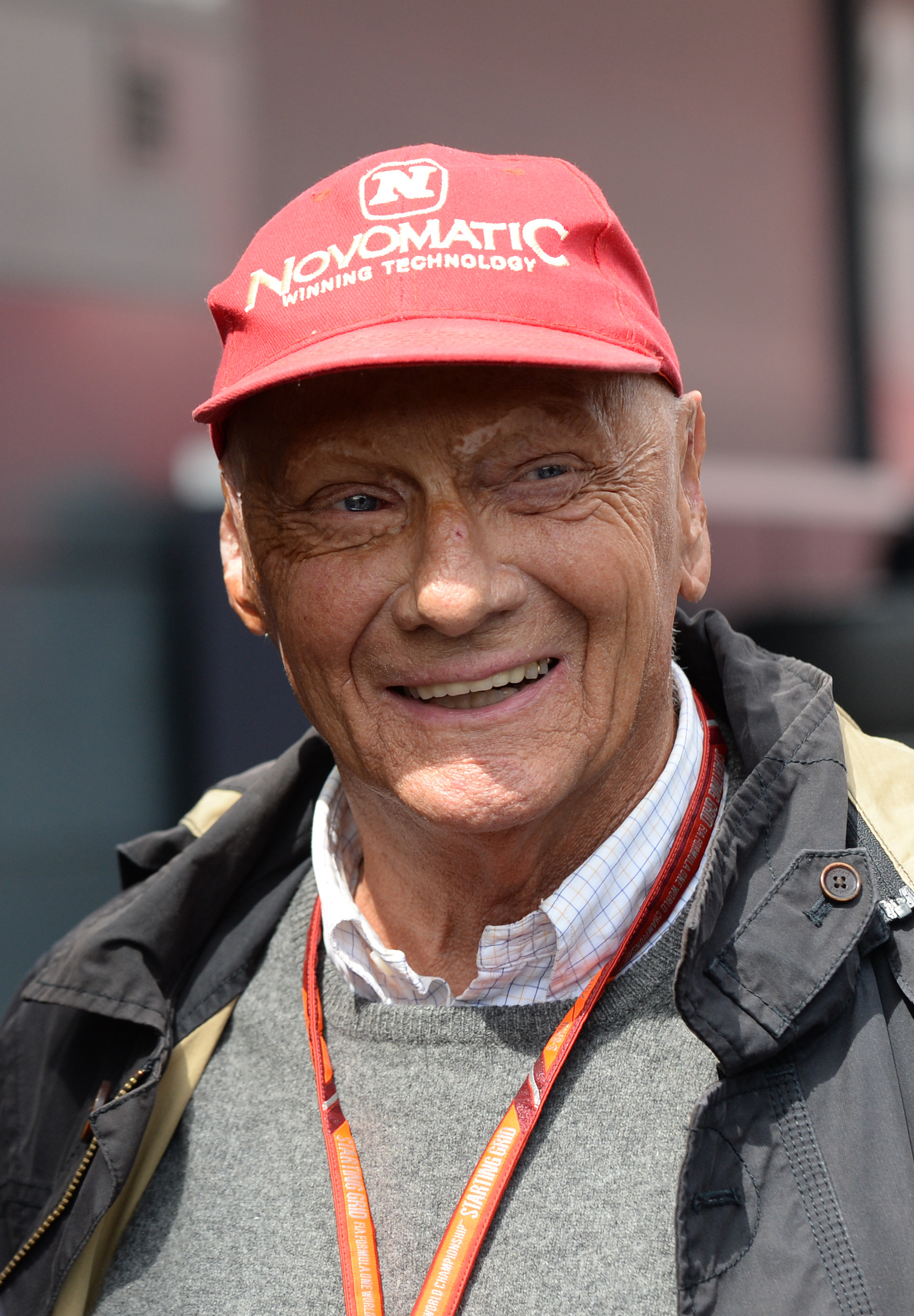
They called him The Rat, or in some cases, The Computer. Feed in parameters about vehicle dynamics and the eccentricities of a race course, and he’d spit out a perfect lap. Again and again, under any conditions. And this was before a Formula 1 Ferrari nearly killed him at the treacherous Nurburgring.
Niki Lauda, one of the greatest natural talents to ever strap into a racing car, has died at the age of 70. He was recently undergoing treatment for injuries still related to his near-fatal 1976 accident. Lauda had been treated for pneumonia, undergone a lung transplant, and despite having been the recipient of two transplanted kidneys, was forced to undergo dialysis. The non-executive chairman of the Petronas-Mercedes team in Formula 1 had already been a world champion the year before his August 1st, 1976, impact with an embankment at the Nurburgring that sent his flaming car into the path of competitor Brett Lunger. Along with drivers Harald Ertl, Arturo Merzario and Guy Edwards, Lunger pulled Lauda from the burning wreckage. The toxic fumes damaged Lauda’s lungs, however, and as this Daimler photo demonstrates, his burns left him terribly disfigured. Regardless, Lauda was back in the cockpit three weeks later, and went on to win two more F1 titles along with 25 career victories. An inspirational presence, he also founded a self-named airline. Niki Lauda was a genius of a driver and will be sorely missed.
Here’s an anniversary that really snuck up on us: Hard to believe, but it’s now been 35 years since BMW first released its M5 sport sedan. That was back in 1988, when the first M5 was created using BMW’s E28 platform architecture, fitting it with a 3.5 DOHC straight-six engine from the M1 supercar that produced 256hp. This was very strong stuff at the time. If you’re into car chases, you can see an M5 in very visceral action by checking out the film Ronin.
Since then, five more iterations of the M5 have been rolled out, as the sedan’s horsepower rating galloped toward 600. To mark the production anniversary, BMW has unveiled a 2020 version of the M5, built now on its F90 platform. Output of the new M5 will be limited to 350 units worldwide, with just 35 copies being certified for sale in the U.S., those cars being built in September and October. This take on the M5 is the most powerful and road-capable that BMW has ever unleashed. The 4.4-liter turbocharged V-8 will be rated at 617hp, with 533-lbs.ft. of torque available at up to 5,860 RPM, giving the M5 a limited maximum speed of 189 MPH. All-wheel drive is standard, operating through an eight-speed Steptronic automatic transmission, which offers three different driver-selectable driving modes. Suspension is double wishbones up front with five locating links at the rear. The brakes are understandably robust, with six-piston calipers and inner-vented discs all the way around. A full slate of convenience, navigation and appearance upgrades are on board. Interested? Better get on line fast, even with an MSRP of $128,995, which does include the federal gas-guzzler tax.
Let’s say you’re making an oft-discussed, long-planned and much-anticipated journey out to Indianapolis for the first time this week, to take in the Greatest Spectacle in Racing on the most hallowed weekend in motorsport. Maybe you were already in town for the big Mecum auction that took place over the past weekend. The point here is, there’s a ton to see, do, and eat in conjunction with visiting the Indianapolis 500. Here’s a quick and handy survival and to-do guide for all you road warriors out there.
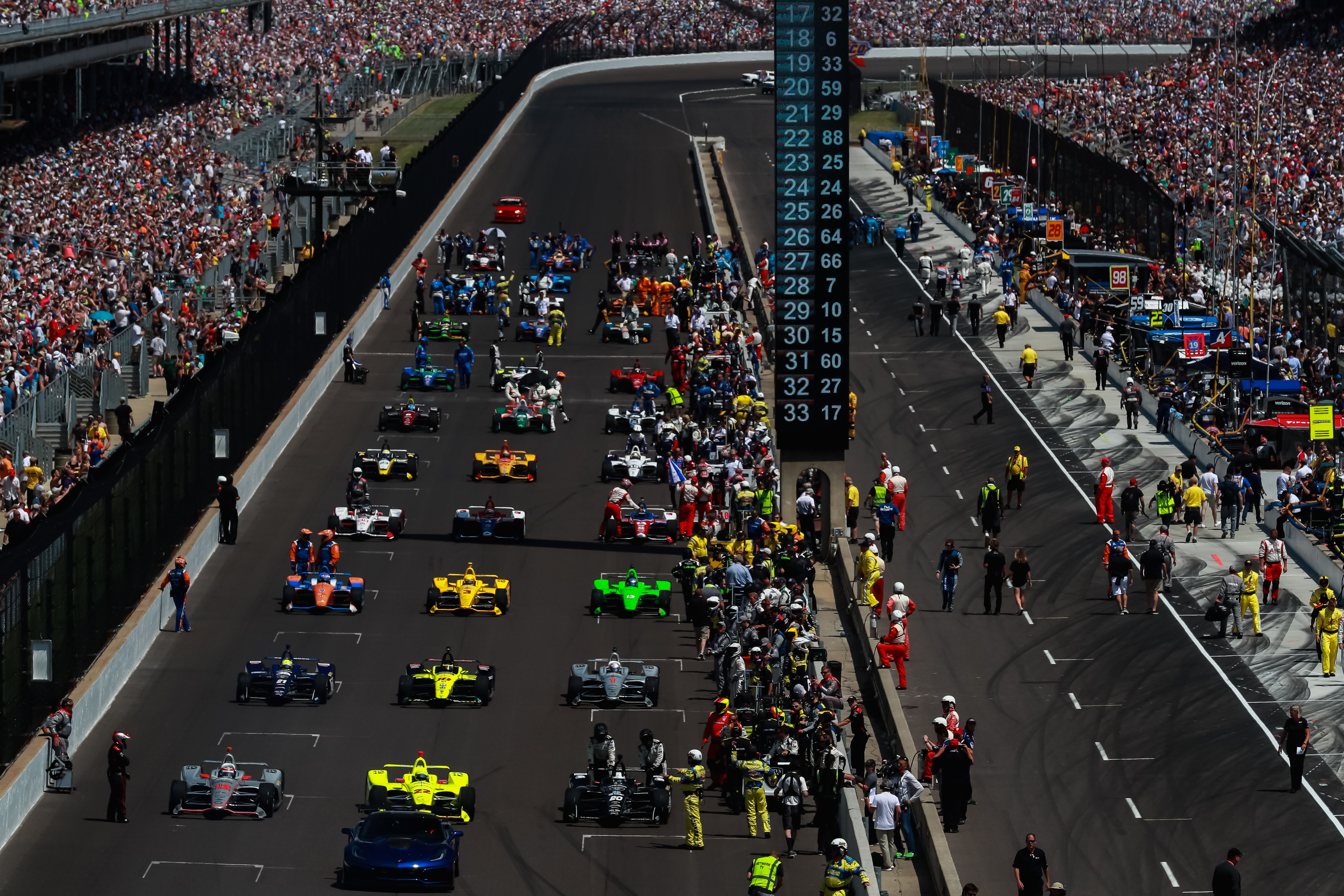
Jason Porter’s image of last year’s pre-race starting grid gives you an indication of just how big the 500 really is. It’s the culmination of a intense week of racing action, history and tradition. A few changes are coming this year, the biggest of which we’ll discuss here. Here’s our favorite itinerary: Hit town on Wednesday, pick up your rental car and hie your way west on Interstate 70 to the Action Track at the Vigo County Fairgrounds in Terre Haute, right on the Illinois border. That’s where you’ll find the USAC Amsoil National Sprint Car Series in action at the 49th annual Tony Hulman Classic, which gets underway at 6:30 p.m. These are wingless Sprint cars in sideways, slide-jobbing action on Indiana’s only half-mile dirt track. It’s an easy drive from Indy and well worth the trip. Find out the particulars at USAC’s website.
The competition continues the following night, Thursday, with the final running of the Hoosier Hundred for upright Silver Crown cars on the dirt (soon to be limestone, the better for horses) mile at the Indiana State Fairgrounds, where Mecum just had its auction. The fairgrounds is located at East 38th Street and Binford Boulevard, with time trials starting at 6 p.m. The event website provides relevant information, but being that this is the final running at the historic fairgrounds, we expect a sellout. Make sure you get an event T-shirt. The following night, the Silver Crown series shifts to asphalt to do battle at the Dave Steele Carb Night Classic, being held Friday night at Lucas Oil Raceway, a .686-mile banked paved oval. Action starts at 5:45 p.m. with Silver Crown qualifying; the USAC USF2000 and Pro Mazda cars are also on the program. Also, be ready to check out Carburetion Day at Indianapolis on Friday, with final 500 practice set for 11 a.m., to be followed by the Freedom 100 for the Indy Lights series. Visit the outstanding IMS Museum, take a tour around the track aboard a bus, and if you want, stick around for the Carb Day party featuring Foreigner and Kool & The Gang. Also, if you to to the USAC website, you can find out how to get a superticket for all the week’s USAC-sanctioned short track races.
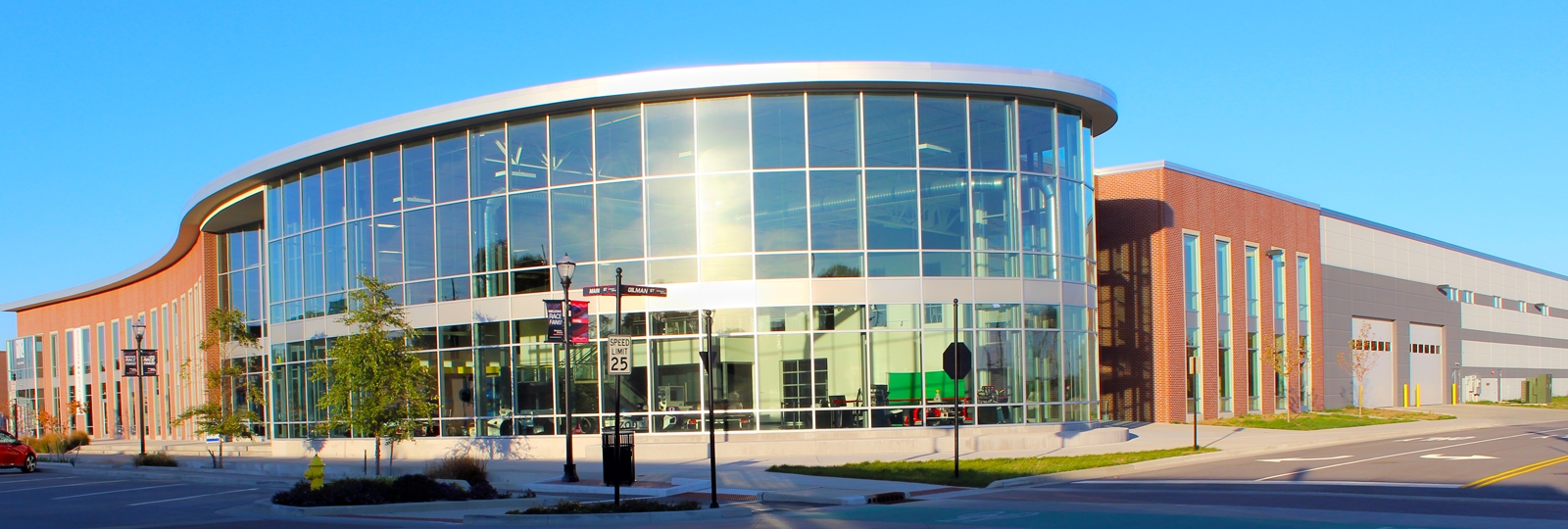
Saturday offers an cornucopia of riches. At the speedway, there’s a massive autograph session set for 9 p.m., with a big memorabilia show and sale in Pagoda Plaza where you can drop money on all sorts of neat stuff. In the town of Speedway, you can visit the fabled Mug & Bun on West 10th Street for a killer burger or a breaded pork tenderloin, or if you’re hankering for breakfast, check out Charlie Brown’s on Main Street. You can also work in a visit to the Dallara factory on Main Street, where Indy cars for the series are designed and built. Dinner-wise, the St. Elmo Steak House on Illinois Street in downtown Indianapolis is to die for, but reservations can be tough during race week. Shapiro’s Deli Cafeteria downtown on Meridian Street downtown is also a good bet. Don’t forget the 500 Festival Parade through downtown on Saturday morning. To keep up on local doings, and especially on street closures, schedules and driving restrictions, pick up the Indianapolis Star while you’re out there.
On Saturday night, there’s only one place you’ve gotta be. It’s at Anderson Speedway, northeast of Indianapolis along Interstate 69, where the 71st annual Pay Less Little 500 for asphalt Sprint cars will be presented with on-track activities getting underway at 6 p.m. The Little 500 is 33 fire-breathing Sprint cars, as shown above in this track photo, going for 500 laps on a steeply banked quarter-mile track with a threea-abreast initial start and pit stops. It’s absolutely wild, one of the most enjoyable nights you can experience at a race track. Check out Anderson Speedway’s website for full information. Tickets are 40 bucks and it’s usually a sellout. Hit the Lemon Drop on Mounds Road for excellent onion burgers and lemon milkshakes.
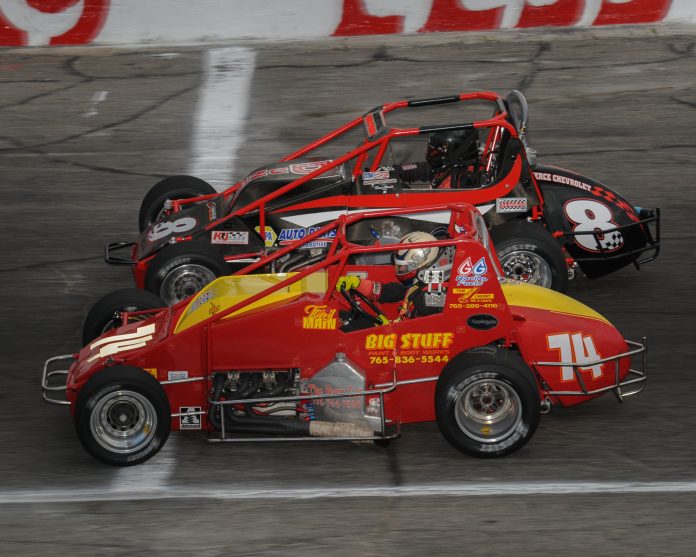
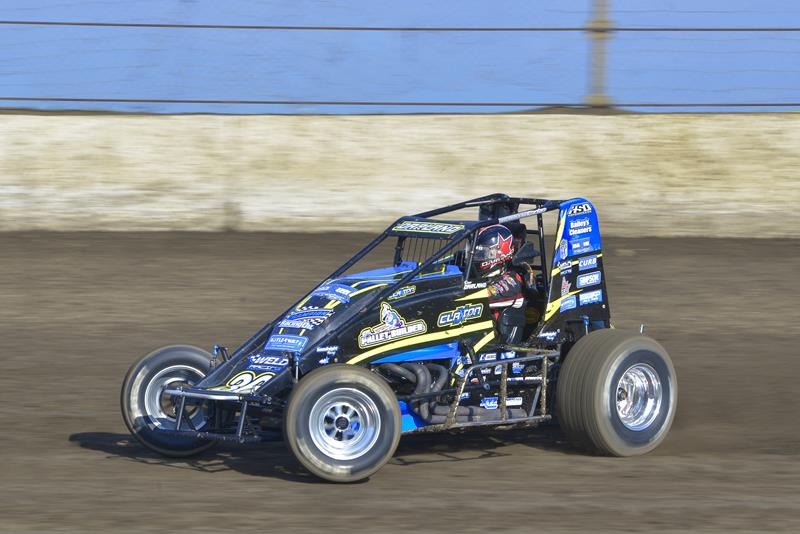
Expect a long day on Sunday at Indianapolis. But if you’ve got any energy left after traffic, parking, hiking to the track and watching the race, you can head north on U.S. 31 to Kokomo Speedway on Sunday night for BC’s Indiana Double featuring non-wing 410 Sprint cars and Modifieds on a quarter-mile dirt oval, producing the sort of action depicted in this Chuck Baldwin photo from the track. Have at it, boys and girls! Nothing beats Indiana on Memorial Day weekend.
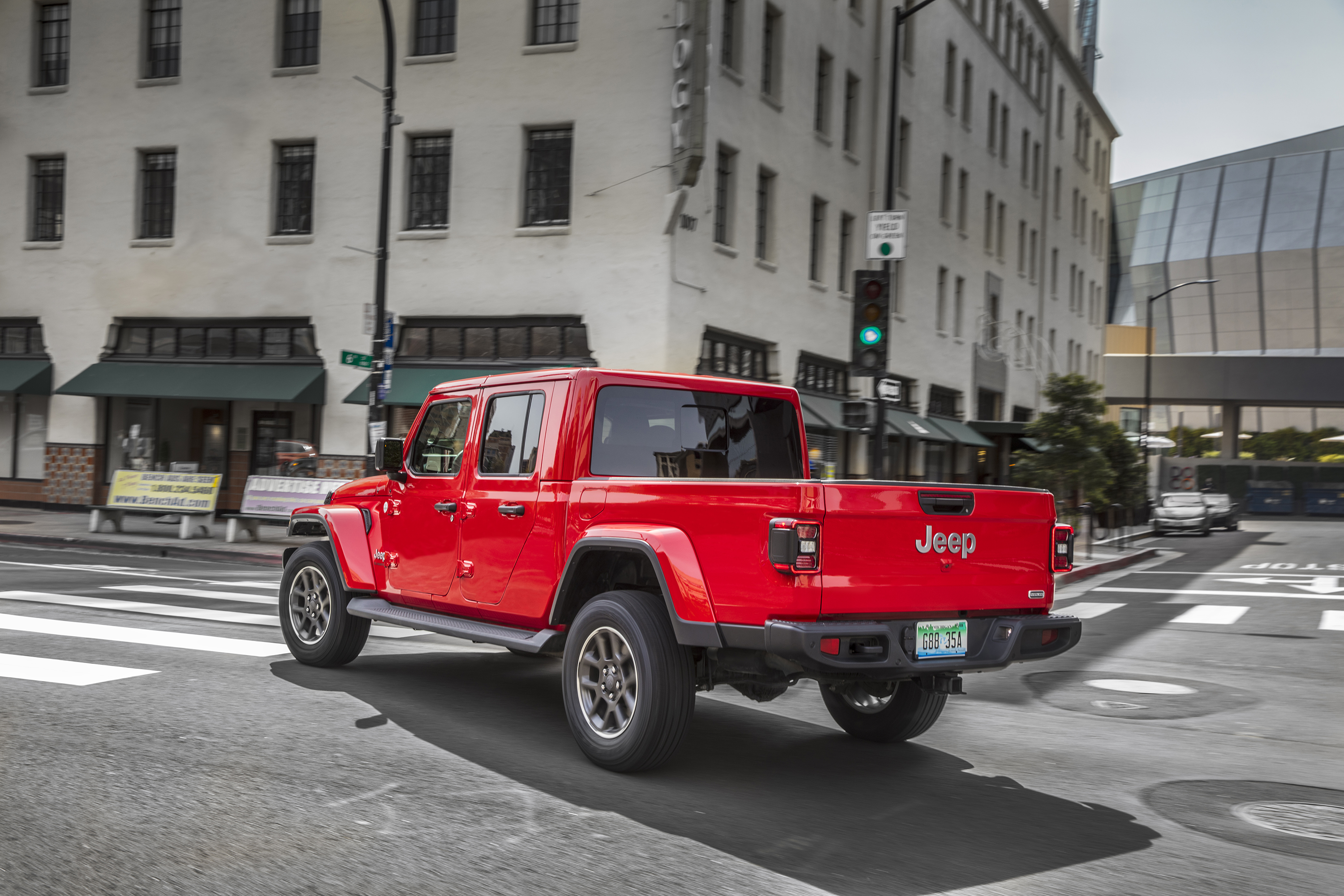
You can make the argument that smallish or midsize pickup trucks are approaching the same size as big pickups used to be a generation or two ago. And you can be even more forceful in insisting that the main reason Fiat went after the tattered remains of Chrysler – after Daimler-Benz had a go-round trying to revive it – was to get the Jeep nameplate. The 2020 Jeep Gladiator is proof positive that Fiat Chrysler Automobiles is serious about both venerating the Jeep’s long legacy and profiting from its ownership. Make no mistake; the Gladiator may just be going on sale, but it’s already positioned to make more noise in the marketplace than most of its 2020 competition, regardless of manufacturer or market segment. The Gladiator is just that cool.
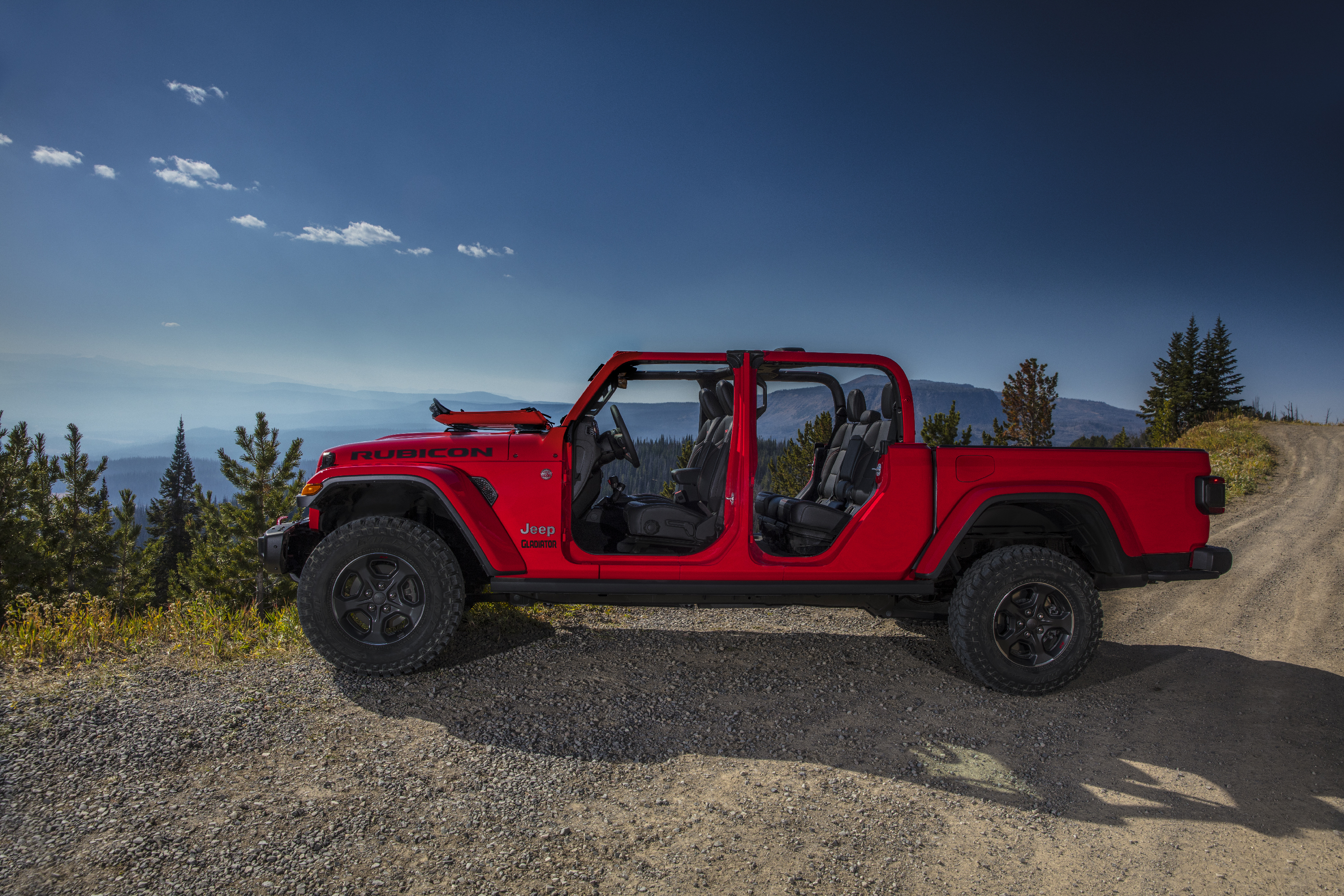
First off, this is not just a Wrangler with a cargo bed. The Gladiator was crafted from the outset to be a midsize pickup with urban comfort but nearly unchallengable off-road, or no-road, capabilities if you’re ready to try them out. Order the upscale Rubicon variant (the Overland is more basic) and you can have a forward-facing camera that will clearly show you boulders or other obstacles that may be in your path. The rig’s towing capacity is a brawny 7,600 pounds. And unlike every other vehicle in its class, you can remove all four doors if you want, and even lower the windshield. This thing can literally be a boulevardier and live wild like something out of The Defiant Ones all in the same afternoon.
With mostly aluminum body panels, the Gladiator rides on a full frame with skid rails running its entire length. Power comes from the 3.6-liter Pentastar V-6; a diesel V-6 is expected to join the option list in 2020, start-stop engine technology is standard. A six-speed manual transmission is likewise standard (Yesss!), with an eight-speed automatic optional. Prices are expected to start in the mid-30s. You may remember that Jeep once made a CJ pickup variant, the Scrambler, back in the early 1980s. Smaller pickups are now back in a big way. Witness the revived Ford Ranger. Heck, even FCA is working to reintroduce a new interpretation of the Dodge Dakota formula. The Gladiator’s different. This is proudly, strongly, unmistakably a Jeep.
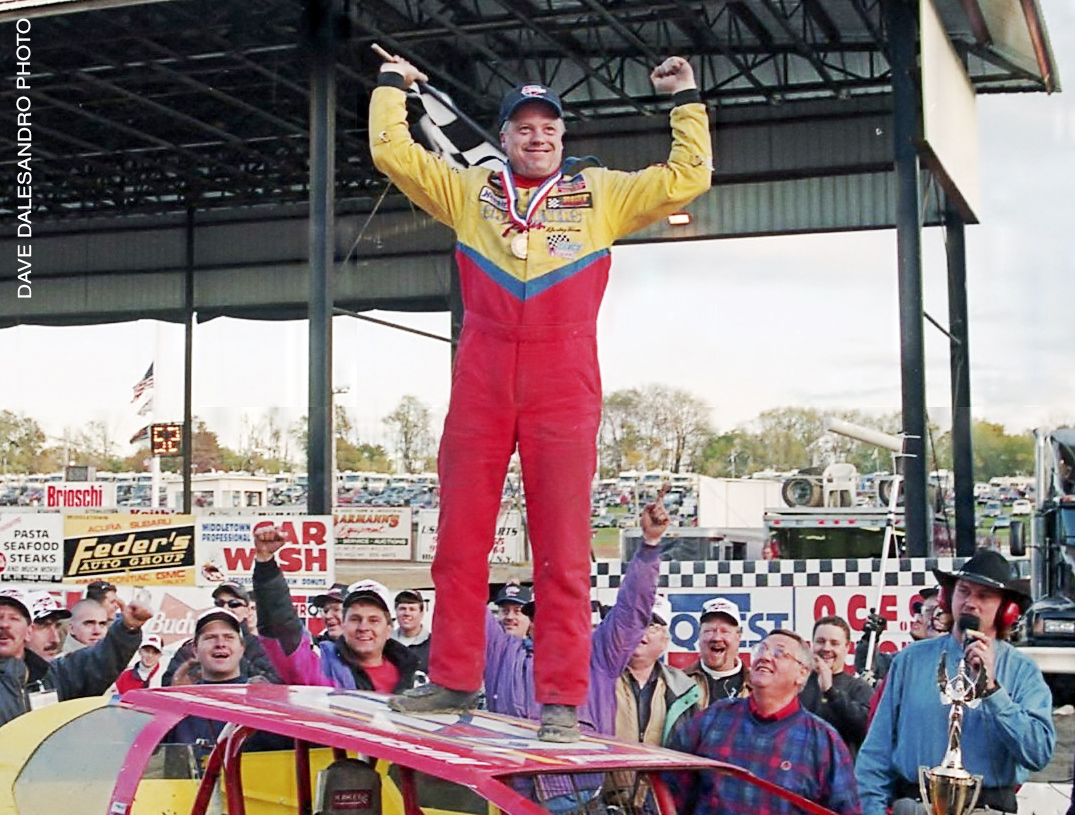
It’s a reference to his driving style and to the simple fact that he can handle a big-block Modified on a dirt track, excelling in any number of these upright, unruly, wildly overpowered open-wheel stock cars. And in 40 years strapped in the hot seat, Danny Johnson, 59, has won a whole slew of races in these unforgiving cars. As a reward, he’s being enshrined in the Northeast Dirt Modified Hall of Fame as part of its 28th class of inductees. Fittingly, the hall is located at Weedsport Speedway in west-central New York, the northeastern home of DIRT, the sanctioning group whose races Johnson won so often.
Born and still living in Phelps, New York, Johnson is one of two brothers who embraced the big-block Modifieds early on. His brother, Alan, is already in the hall and between the two of them, the Johnson brothers account for two of the three top spots on DIRT’s all-time winner’s list. Danny scored his first feature win in 1979 and in the ensuing years, he notched 593 main-event victories for more than 40 different car owners. His best-known and most fruitful effort was with car owner Ray Bramall, who owned a truck dealership in Newburgh, New York. They were together seven years, during which The Doctor – as he’s also known – operated to the tune of 92 feature wins and multiple series championships, including the biggest one of all, the DIRT fall classic that used to be held on the dirt mile at the New York State Fairgrounds in Syracuse. Johnson’s stellar career has seen him win at 55 different speedways in 13 states and two Canadian provinces. His titles include four overall Mr. DIRT Modified titles, three Super DIRT Series trophies, five Modified championships at Rolling Wheels Speedway, four at Canandaigua, two at Weedsport, three on the Florida tour, and 89 Super DIRT Series victories. On the 358-cubic-inch side of the ledger, Johnson’s scored four Mr. DIRT 358 and three series titles, championships at Ransomville, Orange County and Weedsport, and 56 358 Modified Series wins. His pair of Super Dirt Week Mod triumphs at Syracuse came in 1997 and 2006. Johnson will be inducted into the hall on Thursday, July 25th, with the Hall of Fame 100 at Weedsport Speedway set for July 28th.
From the moment it made its world debut at the 1948 London Motor Show, the Jaguar XK120 redefined what a proper sporting automobile could be both in Britain and throughout the world. It also represented a major step into the future both for Jaguar and its boss, Sir William Lyons, as the Coventry marque hadn’t built a proper sporting machine since the SS100 ceased production in 1940. Grainy, black-and-white photographs of early road racing both here and abroad depict hordes of amateur racing drivers horsing their XKs for all they’re worth.
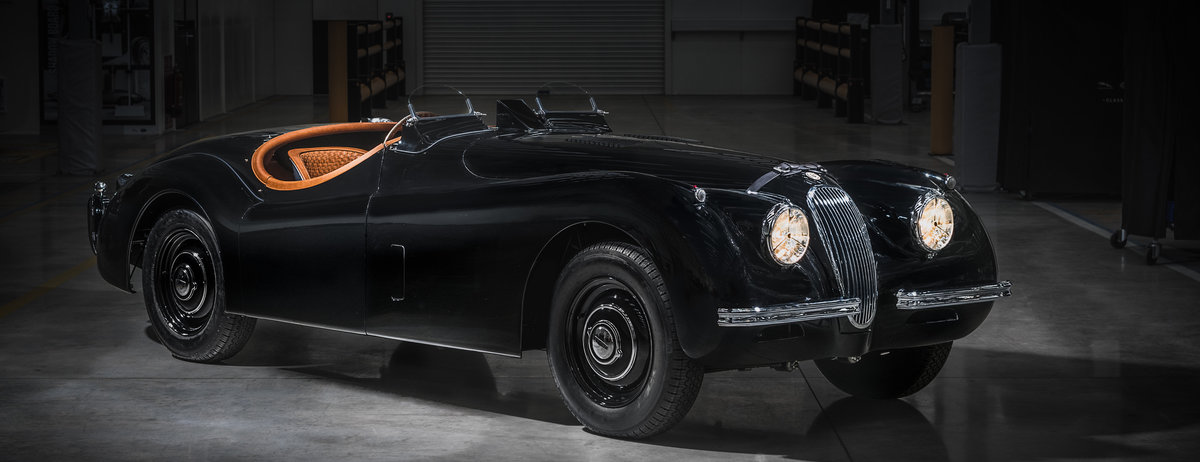
Jaguar is a very different car company today, even making forays into electric propulsion, but never lket it be suggested that Coventry’s forgotten its roots. At its headquarters in Ryton-on-Dunsmore, Great Britain, Jaguar Classic experts have built and modified the car above for the British male model David Gandy, a noted Jaguar enthusiast, who wanted Jaguar to build him a “new” XK120 that would be a little more than the original. As raw material, Jaguar Classic selected an original 1954 XK120, from the final production year of that particular model. While an original California car, this XK120 was intended from the start for vintage motorsport, and took its inspiration from the original XK120 Lightweight of 1949.
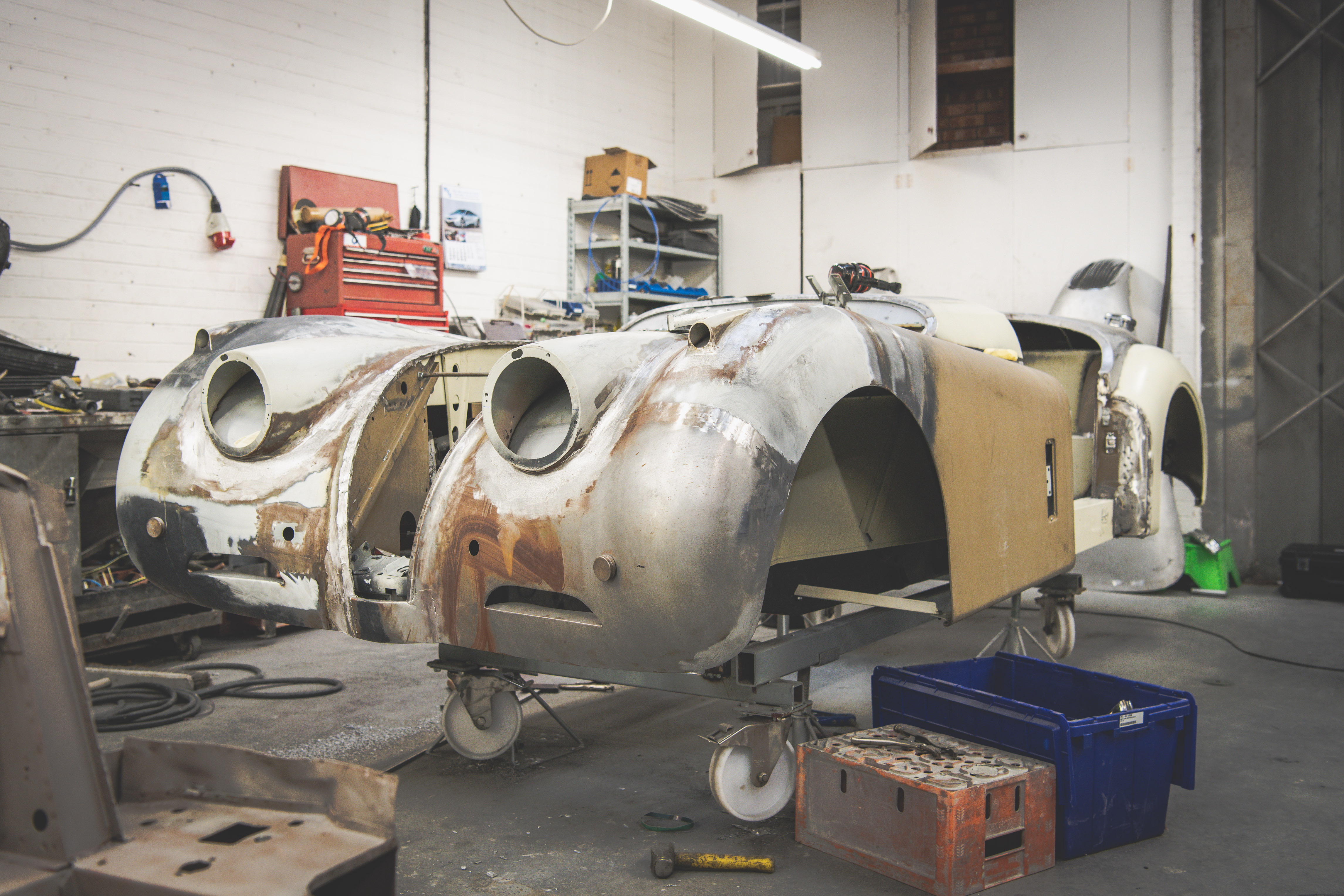
Besides reduced weight, the Jaguar benefitted from a 5 1/2-month rebuild and massaging of its landmark twincam straight-six that saw its output boosted from 180hp to 225, from the as-built 3.4 liters of cylinder displacement. The revived engine was coupled to a race-spec close-ratio gearbox. Four-piston disc brakes stop the front wheels, while the car retains its original drums at the rear. The redone interior saw its seatbacks finished in raw aluminum, while twin aero windscreens were fitted, both in keeping with the Lightweight theme.
This just in, and let’s provide a measure of perspective here: McLaren Automotive, which produces highly specialized hypercars for the McLaren Group, just rolled the 20,000th McLaren road car from its assembly center in Woking, Surrey, England. The vehicle that reached the landmark was a right-hand-drive McLaren 600LT Spider in Chicane Grey from the automaker’s Sports Series range. Underscoring the exclusivity of the number is the fact that the (slightly) foregoing 600LT coupe variant has already been completely sold out.
With the industry jammed to bursting by global production titans from Ford to Hyundai and Kia, a little context is very much in order here. McLaren Automotive has a workforce of some 2,300 employees that use hand-fitment and -assembly techniques also exclusively when building each new road car. It’s a heritage that dates to the 1960s, whjen Bruce McLaren first left his native New Zealand for England and started hand-building race cars of his own design. And their attainability puts their production numbers in a new, very bright light: Consider a newer McLaren design, the 720S, which just added World Performance Car to its list of media accolades. Each 720S has a base list price of $293,000, but its 4.0-liter, twin-turbo V-8 thumps out 710hp and propels the mega-GT to 60 MPH in just 2.8 seconds. Like some people say, everything’s relative.
The rain and chill has lingered in the northeastern United States but things are finally looking less wet and chilly. The forecast for this coming Saturday, which is May 18, looks warm and oh-so-seasonable. Just the ticket for starting out collector-car season in vogue with a lawn show at a beauteous, historic locale. Saturday’s when the Saratoga Automobile Museum in the equine capital of Saratoga Springs, New York, hosts its annual Spring Auto Show from 9 a.m., on the grounds of Saratoga Spa State Park. It’s always an occasion to gaze upon beautiful automobiles in a near-perfect setting.
Head south a couple of hours from Saratoga and you’ll find yourself at the hallowed hillside where the Woodstock festival was held in 1969. We assume that had something to do with the car museum’s choice of a theme for the Spring show: Wheels of Change, Cars and Culture of the Sixties. Vehicles from the Flower Power generation will take the fore at Saratoga, but the show is open to vehicles of all vintages. Pre-registration for display vehicles is $10, and day of registration is $20. All registered vehicles will receive two regular admission tickets to the museum, and all pre-registered vehicles will receive two spectator’s tickets to this year’s 2019 Saratoga Auto Auction happening at the Saratoga Performing Arts Center on Sept. 20 and 21. Saratoga Springs was famed worldwide for the curative properties of its spring waters, and the museum is located in a former bottling plant for those healing waters. It’s also the home of New York’s stock car racing hall of fame. The state park is just off U.S. 9 and is conveniently located off Interstate 87, what locals call the Adirondack Northway. For information, call 1-518-587-1935 and tell the museum we sent you.




 Jim Donnelly On Wheels